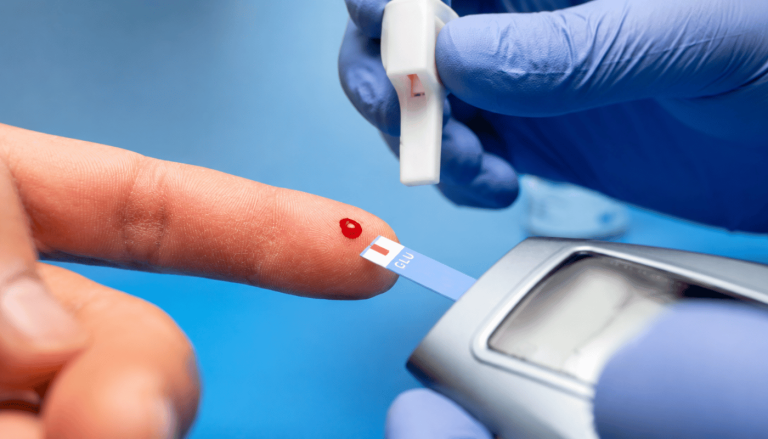
A Clinical Overview for Healthcare Professionals and Care Teams
Epilepsy is one of the most common serious neurological conditions affecting children. Globally, an estimated 18.15 million children and adolescents were living with epilepsy in 2021 — roughly 8.24 million classified as idiopathic and 9.91 million attributable to identifiable secondary causes [1,2].
For families, effective management extends beyond medication. Caregivers need to recognize seizures, respond safely, understand when emergency assistance is required, and coordinate care with schools and other caregivers.
For selected children, particularly those with drug-resistant epilepsy, medically supervised dietary therapies may also form part of treatment, making nutritional assessment and monitoring increasingly important [9–12].
Pediatric epilepsy care therefore brings together seizure preparedness, consistent clinical management and appropriate nutritional support.
Seizure Safety: Every Caregiver Needs a Plan
Because seizures may occur unpredictably, parents, teachers and other caregivers should understand basic seizure first aid.
Widely used guidance emphasizes three principles:
Stay. Safe. Side. [3,4]
During a seizure:
- Stay with the child and time the seizure.
- Remove nearby objects that could cause injury.
- Do not restrain the child.
- Never place anything in their mouth.
- Position them safely on their side when appropriate.
- Remain calm during recovery [3,4].
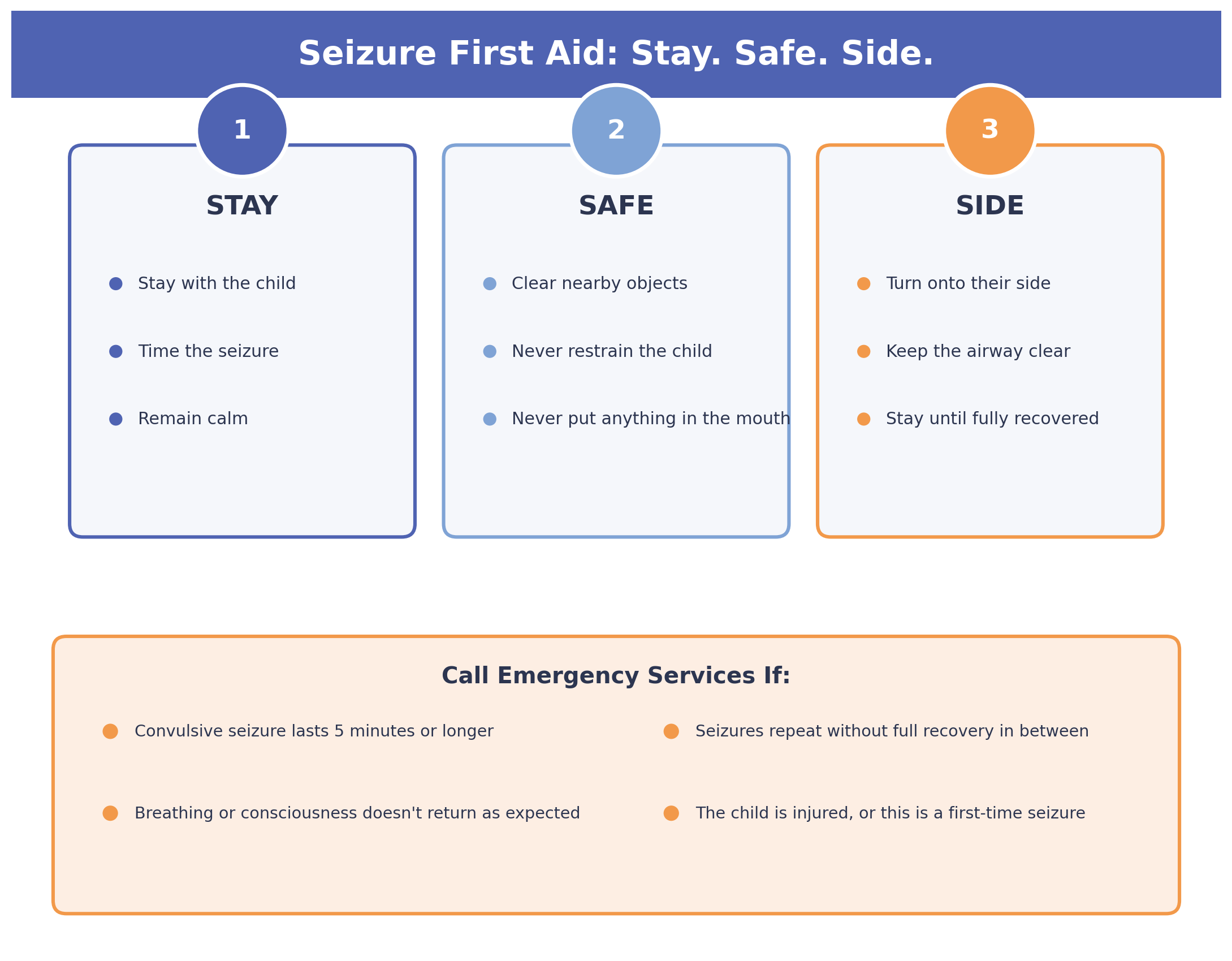 Figure 1. Seizure first aid steps and emergency warning signs, based on Epilepsy Foundation guidance [3,4].
Emergency assistance should be sought when clinically indicated, including when a convulsive seizure lasts five minutes or longer, seizures occur repeatedly without recovery, breathing or consciousness does not return as expected, or significant injury occurs [3,4].
A personalized Seizure Action Plan can help ensure that everyone caring for the child understands what to do, when prescribed rescue medication should be administered, and when emergency assistance is required.
What Happens in the Brain?
A seizure occurs when abnormal electrical activity temporarily disrupts normal brain function. For most children with epilepsy, pharmacological treatment remains central to seizure management.
There are, however, uncommon metabolic and genetic epilepsies in which specific nutrients have a therapeutic role.
Vitamin B6-dependent epilepsies are an important example. These rare disorders involve abnormalities in vitamin B6 metabolism and may respond to appropriately administered pyridoxine or related treatment [5]. The best-characterized form, pyridoxine-dependent epilepsy caused by variants in the ALDH7A1 gene, typically presents with seizures in the newborn period that resist standard antiseizure medications but respond to high-dose pyridoxine; international consensus guidelines now recommend specific age-based dosing protocols for its diagnosis and management [13].
These conditions should not be confused with routine supplementation. Vitamin B6 is not a general treatment for childhood epilepsy, and suspected vitamin-responsive epilepsy requires specialist diagnosis and medical supervision [5,6].
How Micronutrition Fits Into Pediatric Epilepsy Care
Vitamins and minerals—including sodium, calcium, magnesium and vitamin D—participate in normal neurological and physiological function. Severe disturbances in certain electrolytes or micronutrients may contribute to seizure occurrence in specific clinical circumstances [7,8].
This does not mean that routine high-dose supplementation improves seizure control in nutritionally sufficient children. Correction of identified nutritional deficiencies should therefore be individualized and medically supervised.
Nutrition becomes particularly relevant when a child is receiving ketogenic dietary therapy.
For selected children whose seizures remain inadequately controlled despite appropriate antiseizure medication, ketogenic dietary therapies represent established non-pharmacological treatment options [9].
Because these diets substantially restrict carbohydrate-containing foods and alter normal dietary patterns, inadequate intake of nutrients including calcium, magnesium, iron, zinc, selenium, vitamin D and B-group vitamins may occur [9–12].
Ketogenic Therapy and Nutritional Monitoring
The ketogenic diet in pediatric epilepsy is a structured therapeutic intervention, not simply a high-fat diet.
First developed at the Mayo Clinic in 1921 to mimic the metabolic effects of fasting, the ketogenic diet has been used in pediatric epilepsy care for over a century and remains a standard-of-care option today. Modern meta-analyses report that roughly 50–60% of children started on the diet achieve at least a 50% reduction in seizure frequency within six months, and approximately 30% achieve a reduction greater than 90% [14].
Children receiving ketogenic therapy may require periodic assessment of growth, dietary adequacy and relevant biochemical parameters. Depending on the clinical protocol, monitoring may include electrolytes, vitamin D, vitamin B12, folate, iron/ferritin, zinc, selenium, carnitine and a lipid profile, alongside regular growth tracking [12,14].
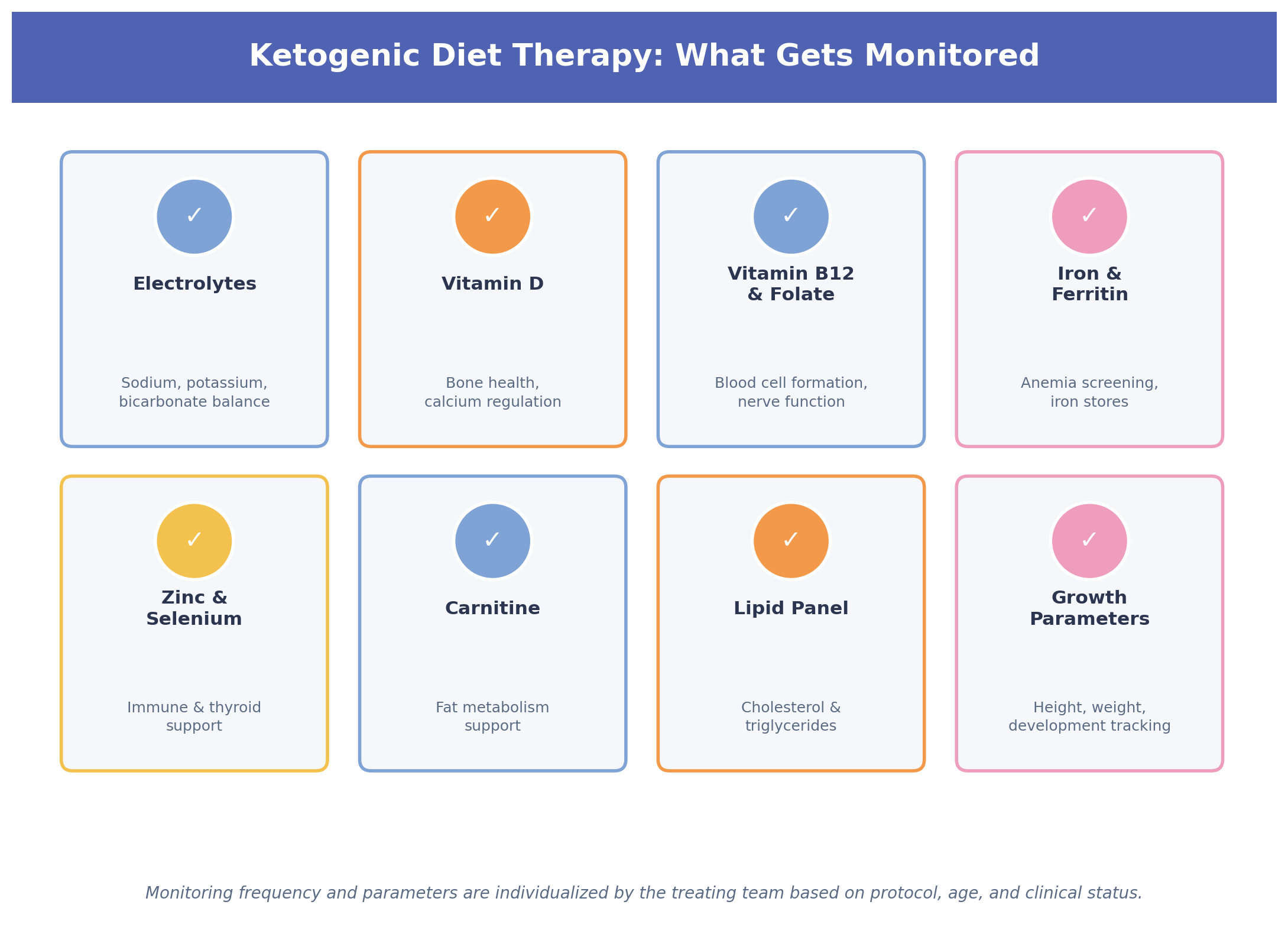
Figure 2. Nutrients and laboratory parameters commonly monitored during ketogenic diet therapy [12,14].
Supplementation should be individualized according to the child’s age, dietary protocol, nutritional intake, laboratory findings and clinical status.
Close involvement of an experienced pediatric dietitian is important to balance the therapeutic objectives of ketogenic treatment with the child’s requirements for normal growth and development [9–12].
Supporting the Child Every Day
Successful epilepsy management extends beyond responding to seizures.
Daily care should include consistent administration of prescribed medication, adequate sleep, seizure monitoring, an individualized action plan, communication with schools and caregivers, and regular neurological follow-up [3,4].
Where therapeutic diets are used, monitoring growth and nutritional status becomes an additional component of care. Such diets should not be initiated or substantially modified without appropriate clinical supervision.
The objective is not only seizure management, but broader support of the child’s growth, development, nutritional status and quality of life.
Key Clinical Takeaways
Caregiver preparedness is fundamental. Parents, teachers and other caregivers should understand seizure first aid and the child’s individualized action plan [3,4].
Medication remains central for most children. Nutritional supplementation should not replace prescribed antiseizure therapy.
Vitamin-responsive epilepsies are uncommon and clinically specific. Vitamin B6-dependent epilepsy requires specialist diagnosis and treatment [5,6,13].
Ketogenic dietary therapy has an established role for selected children with drug-resistant epilepsy. It requires medical supervision and appropriate nutritional assessment [9–12,14].
Nutritional monitoring matters. Restrictive therapeutic diets may increase the risk of micronutrient inadequacy and require individualized nutritional support [10–12].