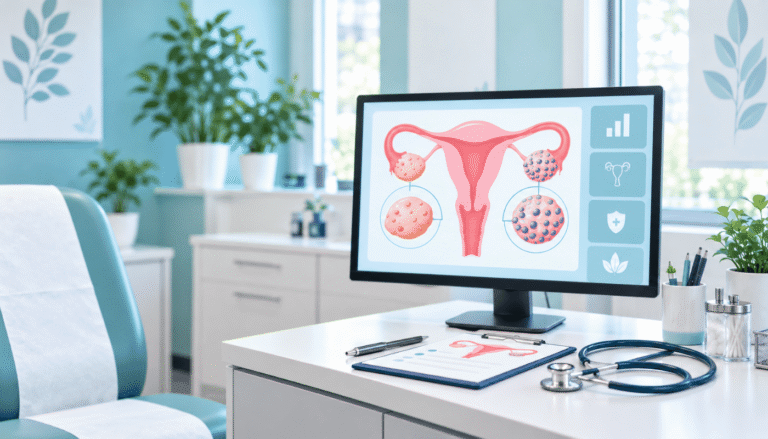
Oral contraceptive pills (OCPs) are among the most widely prescribed medications for women of reproductive age, and their clinical use extends beyond contraception. Polycystic ovary syndrome (PCOS) affects an estimated 8–13% of women of reproductive age, depending on the diagnostic criteria applied, with some analyses reporting higher prevalence and a substantial proportion of affected women remaining undiagnosed [1,2]. Global Burden of Disease estimates place the number of prevalent PCOS cases at approximately 69.5 million worldwide in 2021 – an 89.6% increase since 1990 – with projections suggesting the total could approach 104 million by 2050 [12].
For women with PCOS, as well as those experiencing menstrual irregularity, acne or other manifestations of androgen excess, combined oral contraceptives (COCs) are widely recommended as a pharmacological option for the management of menstrual irregularity and hyperandrogenism when clinically appropriate [3].
Alongside these established therapeutic effects, research has increasingly examined whether oral contraceptive use may influence oxidative balance. Several clinical studies have reported differences in oxidative stress markers and antioxidant status among oral contraceptive users, creating an area of scientific interest particularly relevant to long-term therapy [6–10].
Why Hormonal Imbalance Leads Women to Oral Contraceptives
PCOS is characterized by a combination of ovulatory dysfunction, hyperandrogenism and, in many individuals, metabolic disturbances such as insulin resistance. Clinical manifestations may include irregular or absent menstrual cycles, acne, hirsutism and other androgen-related symptoms [4].
Combined oral contraceptives suppress ovarian androgen production and provide predictable withdrawal bleeding, helping address several of these manifestations simultaneously. For this reason, they represent an established pharmacological option for menstrual irregularity and hyperandrogenism associated with PCOS [3,5].
Beyond PCOS, oral contraceptives are also commonly prescribed for conditions including functional hyperandrogenism, dysmenorrhea, heavy or irregular menstrual bleeding and hormonally influenced acne. Across these applications, hormonal therapy can provide clinically relevant regulation of reproductive and androgen-related physiological pathways.
Understanding the Oxidative Stress Connection
Oxidative stress describes an imbalance between the generation of reactive oxygen species (ROS) and the antioxidant defense systems responsible for neutralizing them. When reactive oxygen species production exceeds antioxidant capacity, oxidative damage to lipids, proteins, and DNA may occur.
Several clinical studies have investigated whether oral contraceptive use influences this balance.
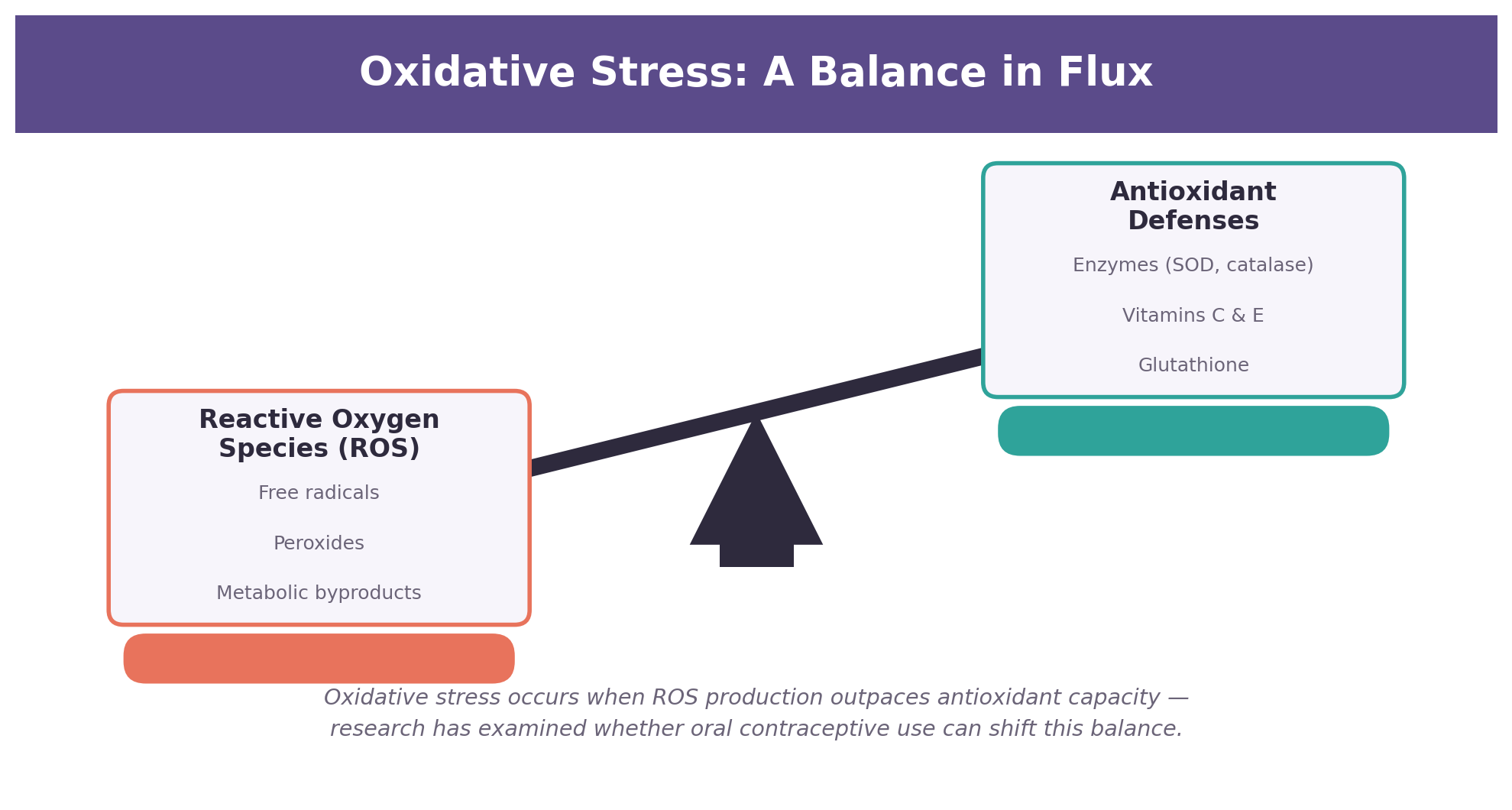
Figure 1. Oxidative stress reflects an imbalance between reactive oxygen species (ROS) production and antioxidant defenses.
Diacron-reactive oxygen metabolites (d-ROMs), a marker of oxidative stress, increased significantly within three months of starting an oral contraceptive in one clinical cohort [6].
Combined oral contraceptive users have also demonstrated differences in plasma antioxidant capacity compared with non-users [7].
Other studies have reported alterations in markers of lipid peroxidation, gamma-glutamyl transpeptidase (GGT), reduced glutathione and catalase activity among oral contraceptive users [8].
In female athletes, combined oral contraceptive use has been associated with higher blood hydroperoxide concentrations compared with non-users of similar age and training status [9].
Oxidative stress markers in oral contraceptive users have additionally been reported to correlate positively with high-sensitivity C-reactive protein (hs-CRP), suggesting a possible relationship between oxidative and inflammatory processes [10].
Not every study demonstrates significant changes across every oxidative stress marker, and the magnitude of the observed effects varies. Nevertheless, findings across multiple independent studies support an association between combined oral contraceptive use and alterations in oxidative balance [7,10].
Potential Physiological Mechanisms
Several mechanisms have been proposed to explain the observed relationship between oral contraceptive use and oxidative balance.
Hormonal contraceptive use may influence hepatic metabolic pathways and circulating concentrations of trace elements involved in endogenous antioxidant defense. Changes in copper, zinc, and iron status have been reported among oral contraceptive users, and these micronutrients participate in antioxidant enzyme systems [8].
The copper-to-zinc relationship, in particular, has been investigated as a potential contributor to changes in oxidative status because of the involvement of these trace elements in antioxidant enzymes such as superoxide dismutase [8]. Some analyses have proposed specific plasma thresholds — copper above 1.2 mg/L, lipid peroxides above 660 µM, and a copper-to-zinc ratio above 2.1 — as potential indicators warranting consideration of antioxidant nutritional support in oral contraceptive users, though such thresholds have not been adopted into routine clinical practice [8].
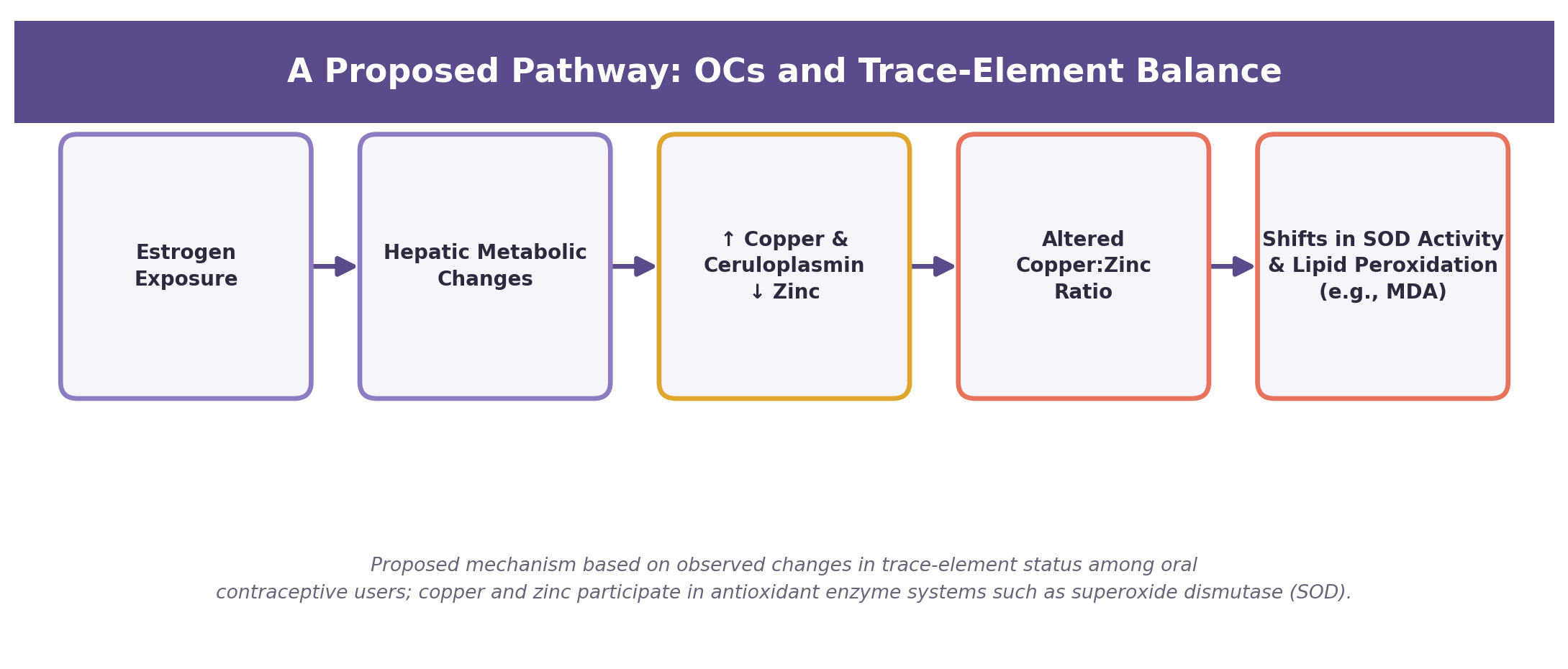
Figure 2. A proposed physiological pathway linking estrogen exposure to changes in trace-element and oxidative status.
This relationship may be particularly relevant in women with PCOS or functional hyperandrogenism. Alterations in oxidative stress markers and iron status have been observed in women with functional hyperandrogenism, suggesting that some individuals may present with an altered oxidative environment before or during contraceptive therapy [11].
Clinical Context Matters
The observation of changes in oxidative stress biomarkers does not mean that the established clinical benefits of oral contraceptive therapy are outweighed by these findings.
For many women, oral contraceptive therapy provides important benefits, including menstrual-cycle regulation, management of androgen-related symptoms, improvement of acne and endometrial protection [3,5].
Furthermore, oxidative stress biomarkers are not part of routine contraceptive monitoring in standard clinical practice.
Instead, the emerging evidence provides additional physiological context that may be relevant when considering the overall health and nutritional status of women receiving long-term hormonal therapy.
The magnitude of oxidative stress associated with oral contraceptive use may vary according to factors including estrogen dose, progestin type, duration of use, smoking status, body mass index and baseline antioxidant status [6,9].
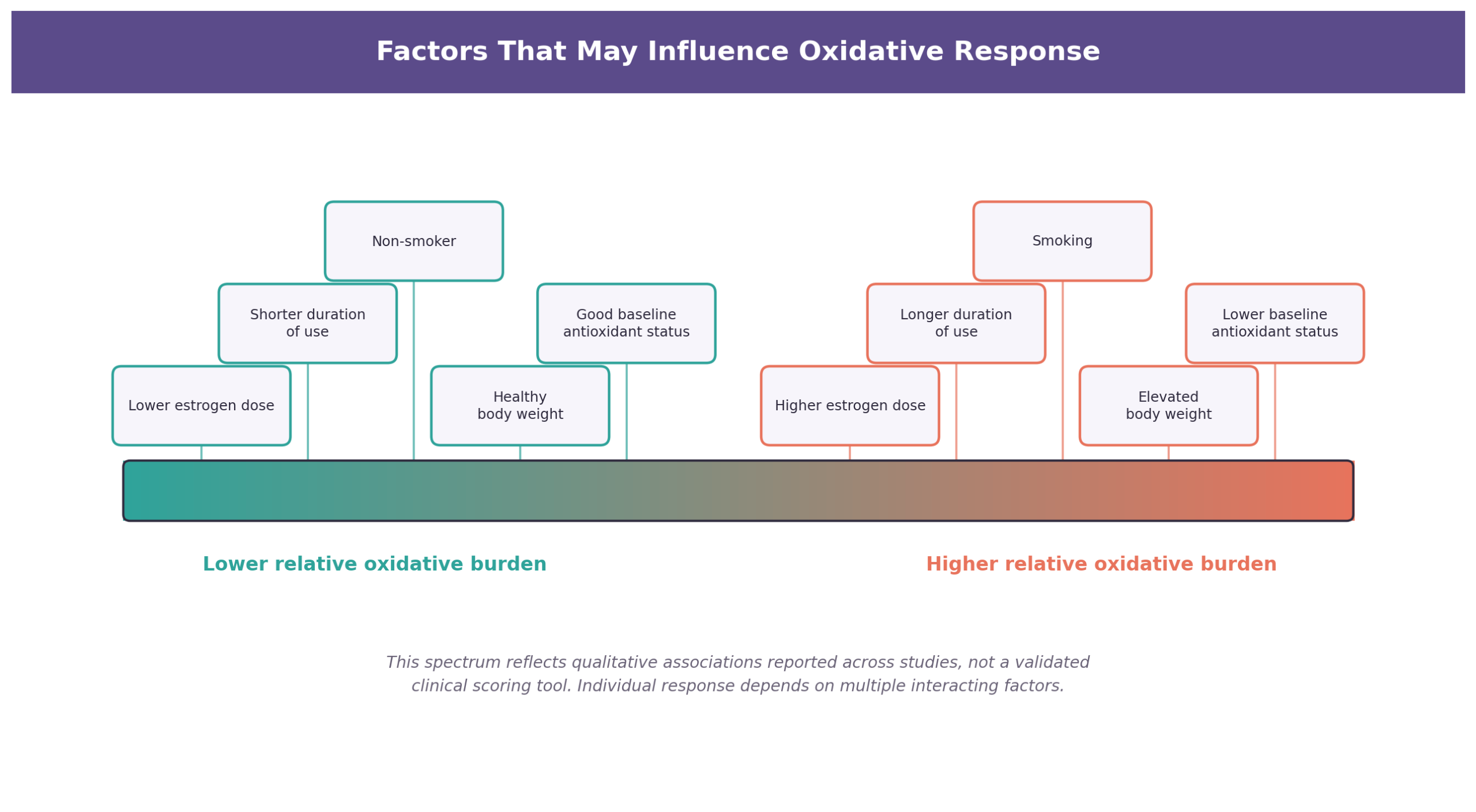
Figure 3. Factors reported to influence the relative magnitude of oxidative response to oral contraceptive use [6,9].
Nutritional and Lifestyle Considerations
Maintaining adequate nutritional status is an important component of general health during long-term hormonal therapy.
Adequate dietary intake of antioxidant micronutrients, including vitamins C and E, selenium and zinc, together with polyphenol-rich foods, contributes to normal physiological antioxidant defenses. Regular physical activity, a balanced diet and avoidance of smoking are important components of overall health and may be particularly relevant where additional oxidative burden is a clinical consideration.
Smoking deserves particular attention because it independently contributes to oxidative burden and may compound other cardiovascular and metabolic risk factors.
Where additional nutritional support is considered, it should be individualized according to nutritional status, dietary intake, medical history and the overall clinical circumstances of the patient.
Nutritional support should complement rather than replace prescribed hormonal therapy, and decisions concerning contraceptive treatment or additional monitoring should remain under the direction of the prescribing healthcare professional.
Key Clinical Takeaways
Oral contraceptives have an established role beyond contraception. They are widely used for the management of menstrual irregularity and hyperandrogenic manifestations, particularly in women with PCOS [3,5].
Oxidative balance is an emerging area of scientific interest. Multiple independent studies using different biomarkers, including d-ROMs, lipid peroxidation markers, hydroperoxides and antioxidant capacity, have reported alterations in oxidative status among combined oral contraceptive users [6–10].
The observed effect is not uniform. Contraceptive formulation, estrogen dose, progestin type, duration of use and individual metabolic and lifestyle characteristics may influence the observed oxidative response [6,9].
PCOS and functional hyperandrogenism deserve particular consideration. Underlying endocrine and metabolic alterations may themselves influence oxidative balance, making the interaction between the underlying condition and hormonal therapy clinically relevant [11].
The evidence supports clinical awareness rather than alarm. The reported changes in oxidative stress biomarkers should be considered within the broader physiological context of hormonal therapy and should not be interpreted as a reason to discontinue clinically appropriate oral contraception.
Individualized care remains essential. Any decision regarding additional nutritional support, laboratory assessment, or modification of hormonal therapy should be individualized and made in consultation with an appropriately qualified healthcare professional.