A Clinical Overview for Healthcare Professionals and Care Teams
Thyroid dysfunction is among the most common endocrine conditions worldwide, and autoimmune thyroiditis is a leading cause of hypothyroidism in iodine-sufficient populations. Meta-analyses estimate the global prevalence of Hashimoto’s thyroiditis at approximately 7.5%, although prevalence varies by geography, iodine status, age and sex — with women’s risk estimated to be roughly four times higher than men’s [1,2].
Hashimoto’s thyroiditis typically develops gradually, and early manifestations may overlap with common symptoms such as fatigue, mood changes, cognitive complaints and weight fluctuation. Clinical symptoms alone are therefore insufficient for diagnosis, making appropriate laboratory assessment essential.
Thyroid physiology is also closely connected with nutritional status. Several micronutrients contribute to thyroid hormone synthesis and metabolism, while both deficiency and excess of certain nutrients, particularly iodine, may adversely affect thyroid function [3].
Why Micronutrients Matter
Several essential micronutrients contribute to normal thyroid physiology.
Iodine is incorporated directly into the thyroid hormones thyroxine (T4) and triiodothyronine (T3).
Selenium is required for selenoproteins involved in thyroid hormone metabolism and antioxidant defense.
Iron contributes to thyroid hormone synthesis through its involvement in thyroid peroxidase activity, while zinc participates in thyroid hormone metabolism and cellular signaling.
Vitamin D contributes to normal immune function, and its relationship with autoimmune thyroid disease continues to be investigated [3].
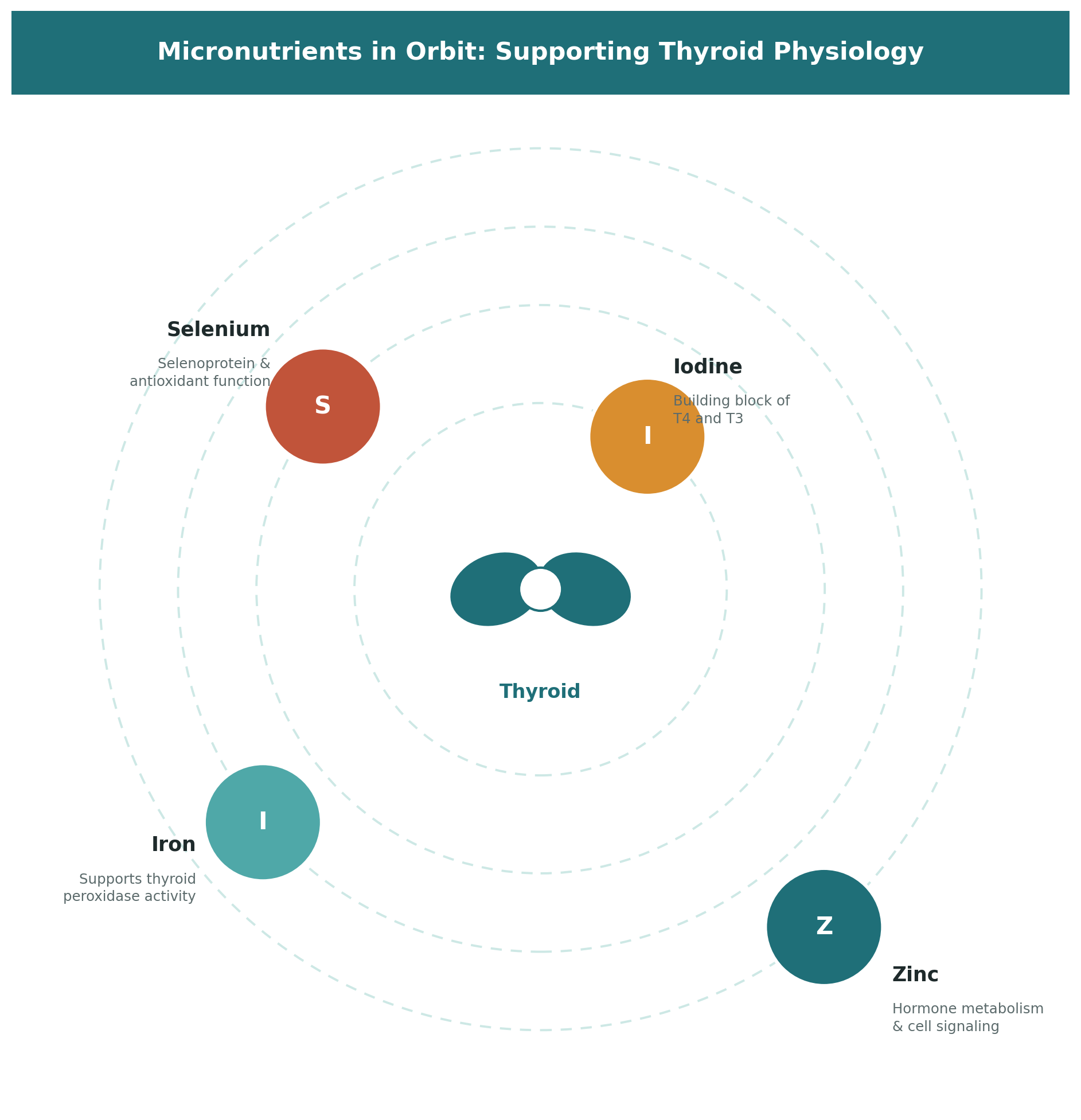
Figure 1. Key micronutrients contributing to normal thyroid physiology.
Deficiency may interfere with normal thyroid physiology, but supplementation should not automatically be considered beneficial in nutritionally sufficient individuals. This is particularly important for iodine, where both insufficient and excessive exposure may adversely affect thyroid function [3].
Nutritional support should therefore remain complementary to appropriate medical management, including thyroid hormone replacement when clinically indicated.
Recognizing Hashimoto’s Thyroiditis and Hypothyroidism
Hashimoto’s thyroiditis is an autoimmune disorder characterized by immune-mediated damage to thyroid tissue. Autoantibodies against thyroid peroxidase (TPO) and thyroglobulin may be present and are important markers of thyroid autoimmunity [4].
Possible manifestations include:
- Persistent fatigue and reduced energy.
- Unexplained weight changes.
- Increased sensitivity to cold.
- Dry skin, hair thinning or brittle nails.
- Muscle weakness, aches or stiffness.
- Mood or cognitive changes.
- Menstrual irregularities.
- Thyroid enlargement or neck fullness.
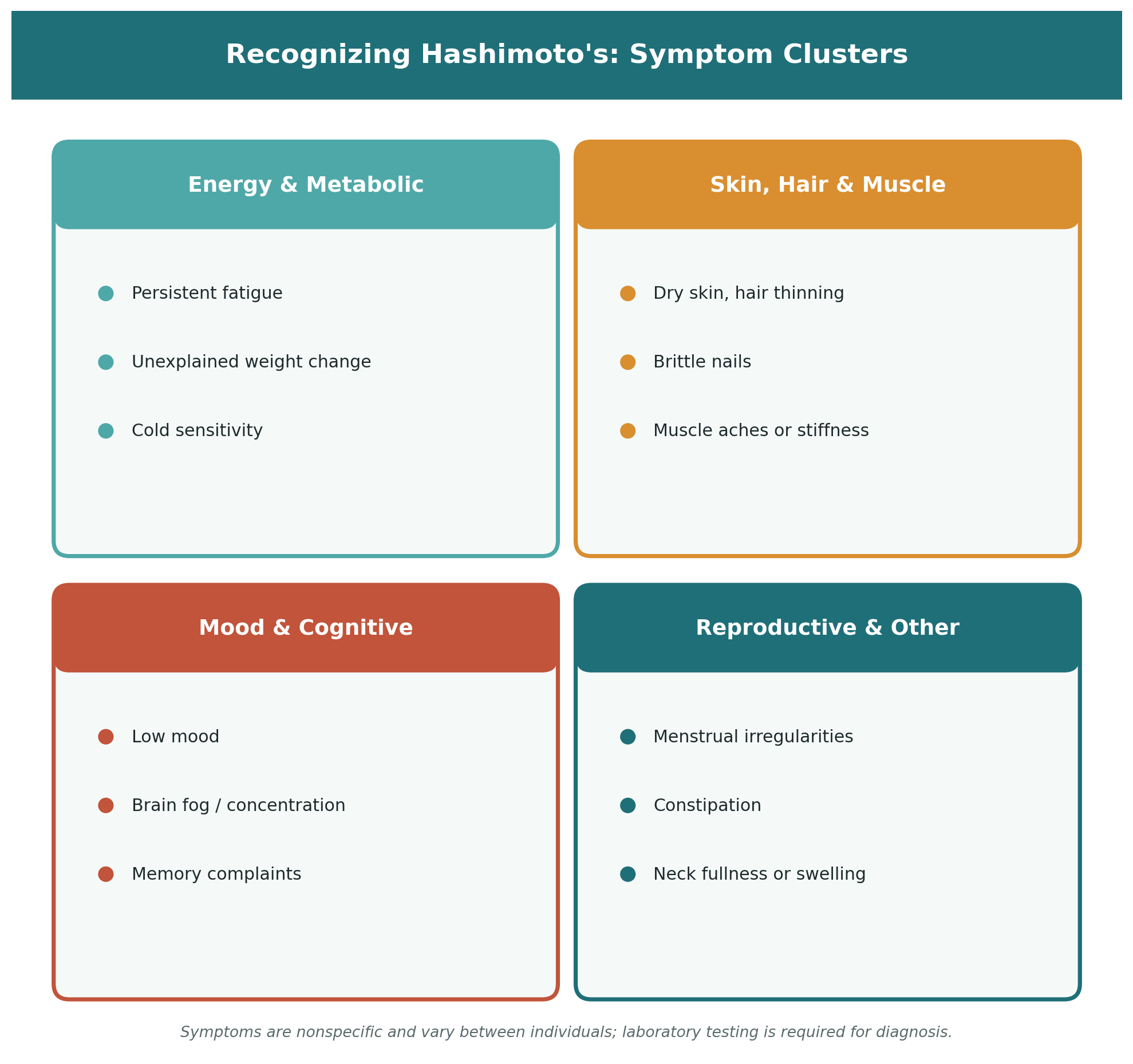
Figure 2. Common Hashimoto’s manifestations grouped by physiological system.
During earlier stages, thyroid hormone concentrations may remain within reference ranges despite thyroid autoimmunity. As thyroid function declines, symptoms of hypothyroidism may become more apparent.
Because these manifestations are nonspecific, laboratory confirmation remains essential. TSH and free T4 are central to thyroid assessment, while thyroid antibody testing may support the identification of autoimmune thyroid disease [4].
What Happens in the Body
Hashimoto’s thyroiditis involves loss of immune tolerance toward thyroid tissue, resulting in progressive damage to thyroid follicular cells.
During earlier stages, thyroid function may remain preserved. As function becomes impaired, TSH may increase while free T4 remains within the reference range, producing the biochemical pattern of subclinical hypothyroidism.
With further loss of thyroid function, free T4 may decline while TSH becomes elevated, consistent with primary overt hypothyroidism [4].
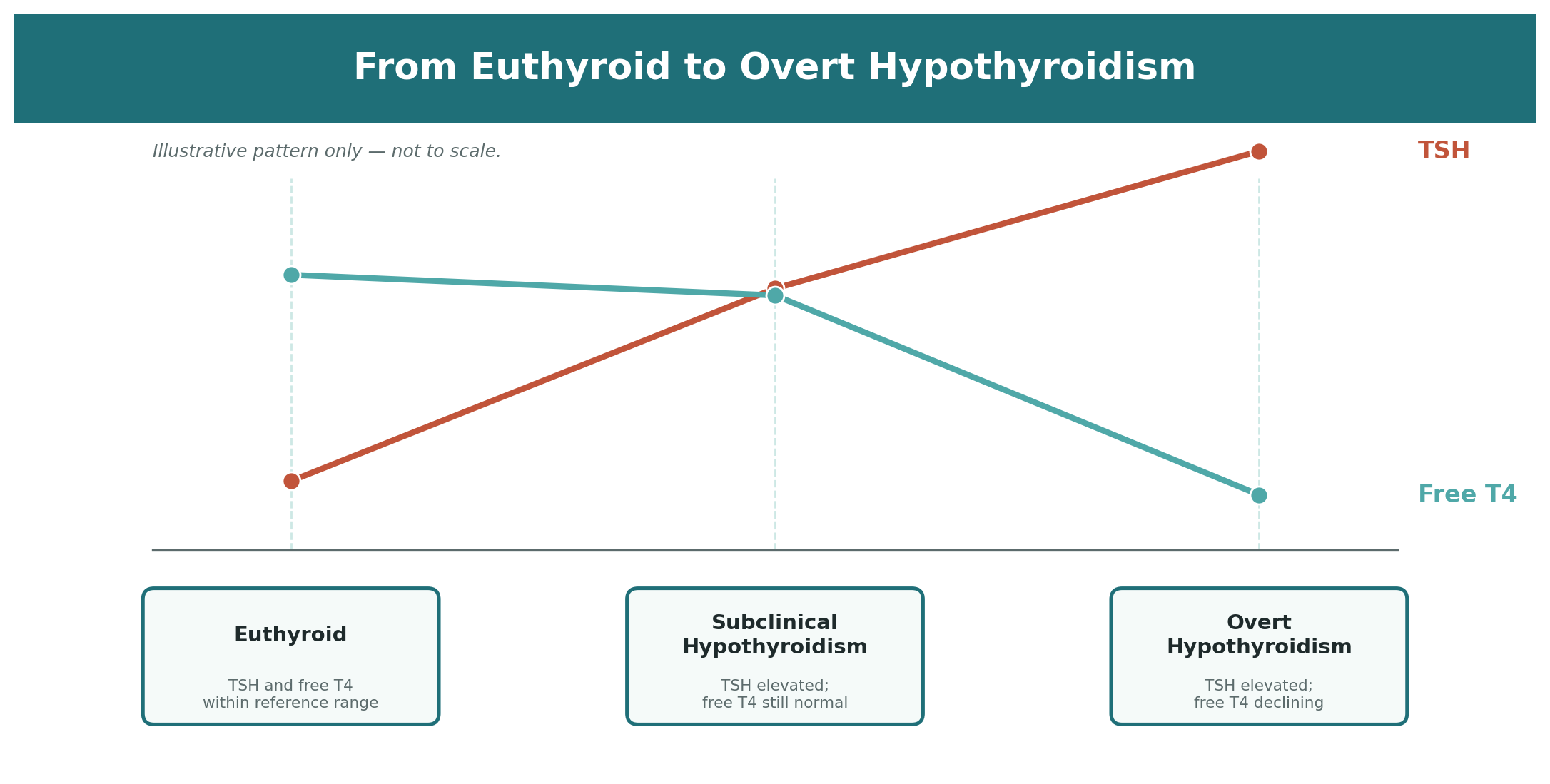
Figure 3. Illustrative TSH and free T4 pattern across stages of thyroid function decline [4].
Because thyroid hormones influence energy metabolism throughout the body, insufficient thyroid hormone availability may affect metabolic, cardiovascular, gastrointestinal, neuromuscular and cognitive function.
Assessing Nutrient Status
Clinical evaluation of Hashimoto’s thyroiditis or hypothyroidism should remain primarily laboratory-based, while nutritional assessment may provide additional information where clinically appropriate.
Iodine
Iodine is essential for thyroid hormone synthesis, but both inadequate and excessive intake may interfere with thyroid physiology. In iodine-sufficient populations, indiscriminate additional supplementation is generally not recommended, particularly in individuals with autoimmune thyroid disease [3].
Selenium
Selenium is required for thyroid hormone metabolism and antioxidant defense and has received substantial research attention in Hashimoto’s thyroiditis.
Meta-analyses of randomized clinical trials have reported reductions in TPO antibody concentrations following selenium supplementation in some patient populations [5,6]. Most of these trials studied a dose of approximately 200 micrograms of selenium daily, typically over a period of about six months.
However, study populations, baseline selenium status, doses and treatment durations vary, and the long-term clinical significance of antibody reductions remains uncertain [5,6].
Vitamin D, Iron and Zinc
Vitamin D contributes to normal immune function, while iron and zinc participate in physiological processes involved in thyroid hormone synthesis and metabolism [3].
Correction of identified deficiencies may form part of nutritional management, but intervention should be individualized according to dietary intake, laboratory findings, medical history and concurrent treatment.
Treatment and Ongoing Management
When hypothyroidism requires thyroid hormone replacement, levothyroxine remains the established standard treatment, with dosage individualized according to clinical circumstances and biochemical monitoring.
Management of subclinical hypothyroidism is more individualized and may depend on TSH concentration, thyroid antibody status, symptoms, age, cardiovascular considerations, and pregnancy.
Nutritional strategies should remain adjunctive to medical treatment rather than alternatives to thyroid hormone replacement.
Dietary approaches have also been investigated in autoimmune thyroid disease. Gluten-free diets, for example, may be necessary in individuals with coexisting celiac disease, but evidence supporting routine gluten avoidance for everyone with Hashimoto’s thyroiditis remains insufficient.
Supplementation and restrictive dietary approaches should therefore be individualized and undertaken with appropriate healthcare-professional guidance.
Key Clinical Takeaways
Hashimoto’s thyroiditis is a major cause of hypothyroidism. Prevalence varies between populations and is considerably higher among women [1,2].
Symptoms can be subtle and nonspecific. Fatigue, weight changes, cold sensitivity, skin or hair changes, and cognitive complaints may occur, but diagnosis requires biochemical assessment [4].
Thyroid physiology is nutrition-sensitive. Iodine, selenium, iron and zinc contribute to thyroid hormone physiology, while vitamin D supports normal immune function [3].
Selenium has been extensively investigated. Meta-analyses report reductions in TPO antibodies in some populations, although the long-term clinical significance remains uncertain [5,6].
Nutritional support complements medical management. Correction of identified deficiencies may be appropriate but does not replace thyroid hormone therapy when clinically indicated.
More is not necessarily better. Excessive iodine exposure may adversely affect susceptible individuals, and indiscriminate supplementation is not recommended [3].