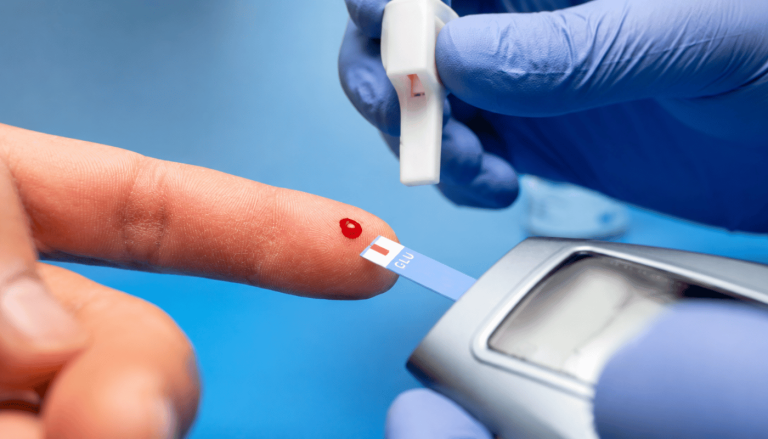
Ozempic (semaglutide) is a once-weekly injectable medication developed by Novo Nordisk that has become one of the most widely discussed drugs in modern medicine. First approved by the U.S. Food and Drug Administration in December 2017, Ozempic belongs to the glucagon-like peptide-1 (GLP-1) receptor agonist class and was originally developed to improve glycemic control in adults with type 2 diabetes. Its additional cardiovascular- and kidney-protective effects, along with the weight loss frequently observed in clinical trials, have since made it one of the most closely watched medications in endocrinology and primary care.
Because public interest has often outpaced accurate understanding of the drug — particularly around its approved uses versus off-label weight-loss use — this overview summarizes what current prescribing information and regulatory guidance say about Ozempic’s uses, dosing, effects, side effects, and safety warnings.
What Is Ozempic and How Does It Work?
Semaglutide, the active ingredient in Ozempic, mimics the naturally occurring hormone GLP-1, which the intestine releases after eating. As a GLP-1 receptor agonist, it stimulates insulin secretion from the pancreas in a glucose-dependent manner (meaning it acts mainly when blood sugar is elevated), suppresses inappropriate glucagon release, and slows gastric emptying. It also acts on appetite-regulating centers in the brain, which is why reduced appetite and modest weight loss are commonly observed alongside improved blood sugar control [1][2].
FDA-Approved Uses
As of 2025, Ozempic carries three FDA-approved indications, each supported by dedicated clinical trial evidence [1][3]:
- Glycemic control in type 2 diabetes. Approved in 2017 as an adjunct to diet and exercise to improve blood sugar control in adults with type 2 diabetes.
- Cardiovascular risk reduction. Approved in 2020 to reduce the risk of major adverse cardiovascular events — cardiovascular death, non-fatal heart attack, and non-fatal stroke — in adults with type 2 diabetes and established cardiovascular disease, based on the SUSTAIN-6 trial.
- Chronic kidney disease protection. Approved in January 2025 to reduce the risk of kidney disease progression, kidney failure, and cardiovascular death in adults with type 2 diabetes and chronic kidney disease, based on the FLOW trial, which showed a 24% relative risk reduction in these outcomes compared with placebo.
Ozempic is not approved for type 1 diabetes or for the treatment of diabetic ketoacidosis, and it has not been studied for use in combination with other GLP-1 receptor agonists.
Important Distinction: Ozempic Is Not FDA-Approved for Weight Loss
Ozempic and Wegovy contain the same active ingredient, semaglutide, but they are distinct, separately approved products. Wegovy is formulated at a higher maximum dose (2.4 mg weekly, versus 2 mg for Ozempic) and is specifically FDA-approved for chronic weight management in adults with obesity or overweight with at least one weight-related condition; in March 2024, Wegovy also received an indication to reduce cardiovascular risk in overweight or obese adults with established cardiovascular disease, based on the SELECT trial [4].
Ozempic itself carries no FDA-approved weight-loss indication. Weight loss observed at diabetes-treatment doses in clinical trials has generally averaged in the range of 6–10% of body weight, more modest than the roughly 15% typically reported with Wegovy’s higher dosing [4]. Many clinicians prescribe Ozempic off-label for weight management, but this use falls outside its approved labeling, and patients seeking weight loss specifically should discuss with their provider whether an approved weight-management product is more appropriate.
Dosage and Administration
Ozempic is administered as a subcutaneous injection once weekly, on the same day each week, at any time of day, with or without food. Approved injection sites include the abdomen, thigh, or upper arm. The standard titration schedule is designed to minimize gastrointestinal side effects by increasing the dose gradually [1][2]:
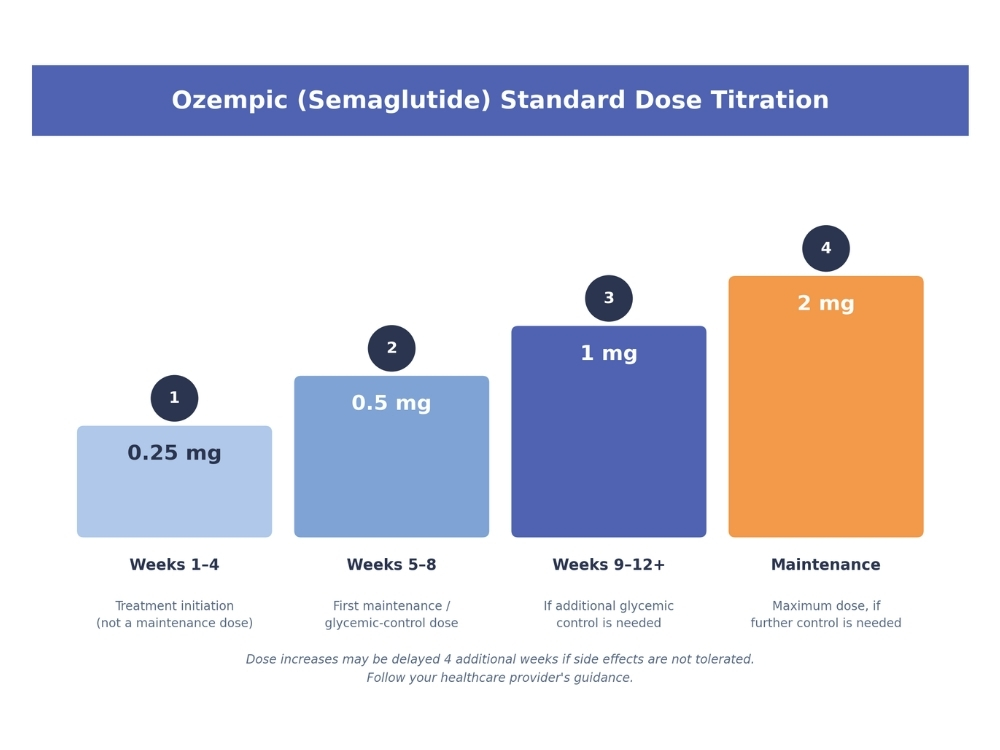
If a patient does not tolerate a given dose, a healthcare provider may delay the next planned increase by an additional four weeks. Patients should always follow their prescriber’s specific instructions, since individual titration may be adjusted based on glycemic response and tolerability.
Effects on Blood Sugar and Body Weight
Across the SUSTAIN clinical trial program, Ozempic was shown to lower HbA1c (a measure of average blood sugar over roughly three months) by approximately 1.5 to 1.8 percentage points relative to baseline, depending on dose and comparator. Weight loss was a consistent secondary finding, with participants on diabetes-treatment doses losing an average of roughly 6–10% of body weight over the trial periods when combined with diet and lifestyle changes [1][4]. As with any medication, individual results vary considerably, and sustained benefit depends on continued treatment combined with nutrition and physical activity.
Common Side Effects
The most frequently reported side effects of Ozempic are gastrointestinal and tend to be most pronounced during dose increases, often diminishing as the body adjusts [1]:
- Nausea, vomiting, or diarrhea. The most commonly reported effects, particularly during the first weeks of treatment or after a dose increase.
- Abdominal pain and constipation. Related to the medication’s effect of slowing gastric emptying.
- Injection-site reactions. Mild redness, itching, or swelling at the injection site.
Serious Risks and Warnings
Ozempic’s prescribing information includes a boxed warning — the FDA’s strongest safety warning — along with several additional precautions that have been added or updated as post-marketing data has accumulated [1][5][6]:
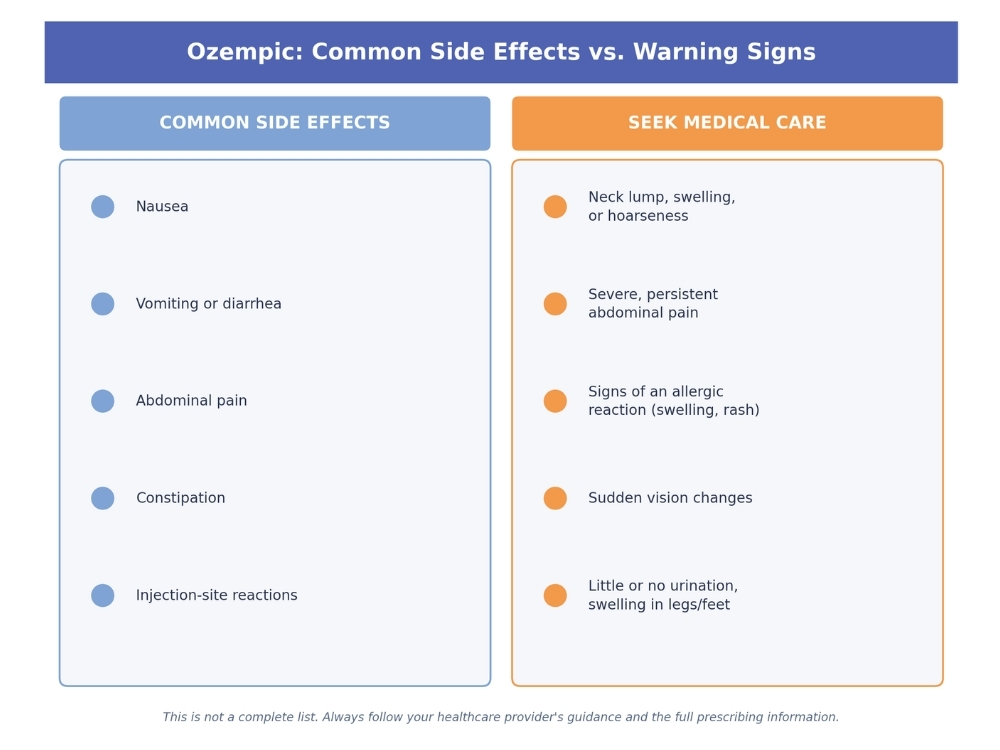
- Boxed warning — thyroid C-cell tumors. In rodent studies, semaglutide caused thyroid C-cell tumors, including medullary thyroid carcinoma (MTC). It is not known whether this risk translates to humans, since the human relevance of the rodent findings has not been established. Ozempic is contraindicated in patients with a personal or family history of MTC or Multiple Endocrine Neoplasia syndrome type 2 (MEN 2).
- Cases of acute pancreatitis have been reported; the medication should be discontinued if pancreatitis is suspected.
- Gallbladder disease. Cholelithiasis and cholecystitis were added to the warning label in March 2022.
- Acute kidney injury. Usually associated with dehydration from gastrointestinal side effects such as vomiting or diarrhea.
- Diabetic retinopathy complications. Patients with a history of diabetic retinopathy should be monitored, as rapid improvement in glucose control has been associated with temporary worsening in some trial participants.
- Risk increases when Ozempic is combined with insulin or insulin secretagogues such as sulfonylureas; dose adjustments to these other medications may be needed.
- Pulmonary aspiration during anesthesia or deep sedation. Added to the label in November 2024, reflecting delayed gastric emptying that can increase aspiration risk during procedures; patients should inform their anesthesia team that they are taking a GLP-1 receptor agonist.
- Hypersensitivity reactions. Including rare reports of anaphylaxis and angioedema.
The FDA has also investigated reports of suicidal ideation and hair loss (alopecia) associated with GLP-1 receptor agonists, including Ozempic. A preliminary FDA evaluation released in January 2024 did not find evidence supporting a causal link between Ozempic and suicidal thoughts or actions, though monitoring through the FDA Adverse Event Reporting System continues [7].
Contraindications
Ozempic should not be used by individuals with a personal or family history of medullary thyroid carcinoma, those with Multiple Endocrine Neoplasia syndrome type 2, or anyone with a known hypersensitivity to semaglutide or any component of the formulation. It is not indicated for type 1 diabetes or diabetic ketoacidosis [1].
Counterfeit and Compounded Semaglutide: What to Know
Rising demand for semaglutide products has led to two distinct safety concerns that healthcare organizations should be aware of. First, the FDA has issued multiple alerts — most recently in late 2025 — regarding counterfeit Ozempic identified within the legitimate U.S. drug supply chain, including units with needles of unconfirmed sterility, raising infection risk. Patients should obtain Ozempic only through licensed pharmacies using a valid prescription and report any product that looks, tastes, or feels different from what they have used previously [8].
Second, during a period of supply shortage, FDA-registered compounding pharmacies were permitted to produce compounded versions of semaglutide. The FDA announced the shortage was resolved in February 2025 and has since moved to formally exclude semaglutide from the list of substances eligible for bulk compounding, with phased deadlines for compounders to wind down production. Compounded semaglutide is not FDA-approved, and its safety, purity, and effectiveness have not been independently verified in the way branded and generic FDA-approved products are [9][10].
Key Takeaways • Ozempic (semaglutide) is FDA-approved for three indications: glycemic control in type 2 diabetes, cardiovascular risk reduction in T2D with established heart disease, and slowing chronic kidney disease progression in T2D with CKD. • Ozempic is not FDA-approved for weight loss — Wegovy, the same molecule at a higher dose, holds that indication. Weight loss on Ozempic at diabetes doses averages roughly 6–10%, versus ~15% typically seen with Wegovy. • Standard dosing starts at 0.25 mg weekly for 4 weeks (initiation only), titrating through 0.5 mg, 1 mg, and up to a 2 mg maximum maintenance dose, with flexibility to delay increases if side effects are not tolerated. • The most common side effects are gastrointestinal (nausea, vomiting, diarrhea, constipation) and typically ease over time. • Ozempic carries a boxed warning for thyroid C-cell tumor risk and is contraindicated in patients with a personal or family history of medullary thyroid carcinoma or MEN 2. Other serious risks include pancreatitis, gallbladder disease, acute kidney injury, and pulmonary aspiration risk under anesthesia. • Counterfeit Ozempic has been identified in the U.S. supply chain, and unapproved compounded semaglutide is being phased out following resolution of the 2022–2025 shortage — patients should use only pharmacy-dispensed, prescription product. |