More than 20.6 million people worldwide are diagnosed with cancer every year, a figure projected to climb to 34.4 million by 2050 [1]. Behind that number sits an increasingly complex pharmacy. Oncology is no longer defined by a single class of cytotoxic drugs but by at least six distinct therapeutic strategies, each with its own mechanism, evidence base, and distribution requirements. For wholesalers, pharmacy partners, and healthcare professionals sourcing or dispensing cancer medicines, understanding what separates these classes, and what each demands operationally, is no longer optional specialist knowledge.
This article works through the six major classes of oncology drugs in current clinical use, chemotherapy, targeted therapy, immunotherapy, antibody-drug conjugates, hormone therapy, and radiopharmaceuticals, with the evidence, examples, and market trajectory behind each, before turning to the access and distribution realities that increasingly shape how these medicines actually reach patients.
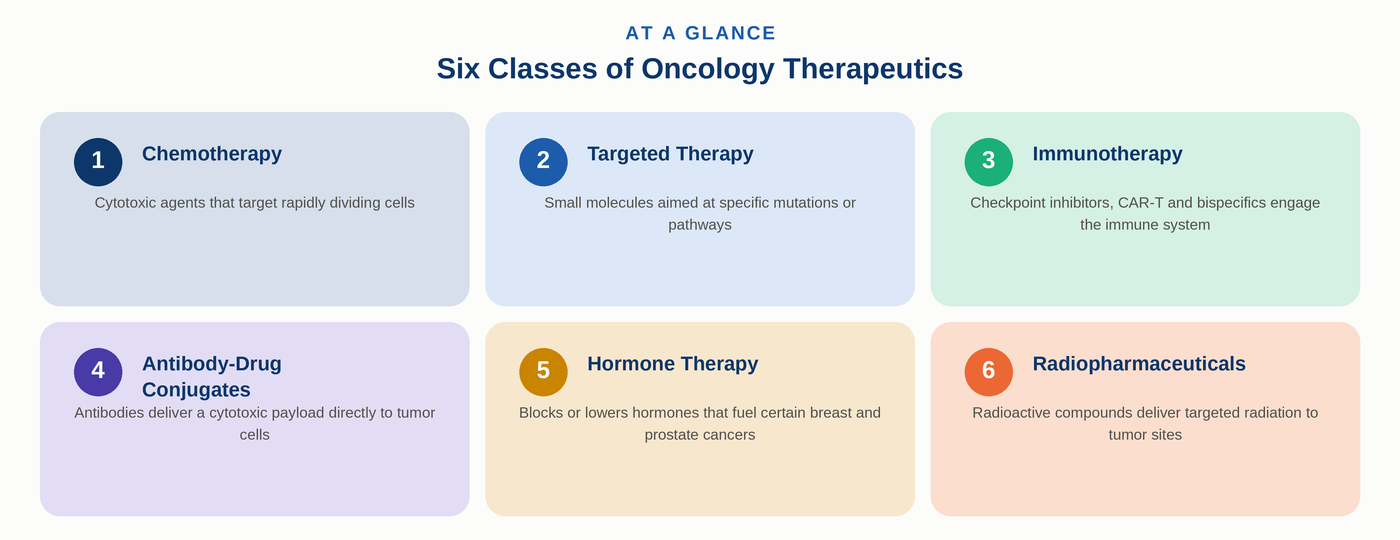
Figure 1. The six major classes of oncology therapeutics in current clinical use.
1. Chemotherapy: Cytotoxic Therapy’s Continued Role
Chemotherapy remains the foundation many oncology regimens are still built on. Cytotoxic agents work by killing or halting the growth of rapidly dividing cells, a category that includes cancer cells but also bone marrow, the gastrointestinal lining, and hair follicles, which is the direct cause of chemotherapy’s hallmark side effects [5]. Cabazitaxel (Jevtana) remains a standard option for metastatic castration-resistant prostate cancer after prior docetaxel treatment, while Gemcitabine (Gemzar) continues to anchor regimens for pancreatic cancer, non-small cell lung cancer, and several other solid tumors.
The core limitation has not changed: chemotherapy is not selective. It cannot distinguish a cancer cell from any other fast-dividing cell, which drives dose-limiting toxicity and leaves room for resistant cell populations to survive and repopulate the tumor. In current practice, chemotherapy is increasingly used in combination with targeted or immune-based agents rather than as monotherapy, extending its relevance even as newer classes take a larger share of new drug approvals.
2. Targeted Therapy: Precision at the Molecular Level
Targeted therapies are small-molecule drugs or antibodies engineered against a specific genetic mutation, protein, or signaling pathway that a tumor depends on to grow [5]. Osimertinib (Tagrisso), a third-generation EGFR inhibitor, is now standard treatment for EGFR-mutated non-small cell lung cancer, including as adjuvant therapy after surgical resection. Neratinib (Nerlynx) is used in extended adjuvant treatment of HER2-positive early breast cancer following prior HER2-targeted therapy.
The trade-off for that precision is dependency on diagnostics. A targeted therapy is only as useful as the testing infrastructure that identifies which patients actually carry the relevant biomarker, and that infrastructure has a real gap. A retrospective study of more than 26,000 US patients with advanced cancer found that only about a third received recommended biomarker testing, with rates improving modestly from 32% in 2018 to 39% in 2021-2022; testing before first-line therapy was below half (45%) even for non-small cell lung cancer, where multiple approved targeted drugs exist [8]. Notably, the same study found no significant difference in overall treatment costs between tested and untested patients, undercutting the assumption that skipping testing saves money. For distributors and pharmacy partners, this gap is a reminder that supply is only half the equation. Diagnostic access and clinician awareness shape real-world uptake just as much as product availability.
3. Immunotherapy: Engaging the Immune System
Immune checkpoint inhibitors work by disrupting the molecular “off switch” that tumor cells use to evade immune attack. Checkpoint proteins on T cells, such as PD-1 and CTLA-4, normally bind partner proteins like PD-L1 on tumor cells and receive a stand-down signal; checkpoint inhibitors block that interaction and allow T cells to resume attacking the tumor [6]. Pembrolizumab (Keytruda) and Nivolumab (Opdivo) remain the most widely used agents in this class, approved across a broad range of solid tumors.
Two further immunotherapy modalities have matured considerably since checkpoint inhibitors first reached the market. CAR-T cell therapy, exemplified by Tisagenlecleucel (Kymriah), genetically engineers a patient’s own T cells to recognize and destroy leukemia or lymphoma cells. Bispecific antibodies are newer still: unlike a conventional antibody that binds one target, a bispecific antibody binds two different antigens at once, typically a tumor antigen and CD3 on a T cell, physically bringing the two cells together to trigger an immune response [7]. Since Blinatumomab (Blincyto) became the first approved bispecific in 2014, twelve more have reached approval, most within the last three years, including Talquetamab (Talvey), Elranatamab (Elrexfio), and Zanidatamab (Ziihera) [7].
Immune activation is a double-edged capability. Because checkpoint inhibitors remove a genuine safety brake on the immune system, they can trigger immune-related adverse effects ranging from common, manageable rash, diarrhea, and fatigue to rarer but serious inflammation of the lungs, thyroid, liver, or heart [6]. CAR-T therapy adds an operational dimension distributors and health systems should factor into planning: list prices commonly run $373,000 to $475,000 per treatment, with total cost of care regularly exceeding $1 million once hospitalization and toxicity management are included, and manufacturing turnaround from cell collection to infusion averages 1.55 months and can extend to nearly four [9].
4. Antibody-Drug Conjugates: Precision-Guided Payload Delivery
Antibody-drug conjugates, or ADCs, were not a major feature of oncology pharmacy a decade ago and are absent from many older overviews of cancer drug classes, yet they are now one of the fastest-growing segments in the field. An ADC pairs a monoclonal antibody, which targets an antigen expressed on tumor cells, with a cytotoxic payload attached through a chemical linker. Once the antibody binds and the complex is drawn inside the cell, the linker releases the payload directly where it is needed, delivering potent chemotherapy with far less exposure to healthy tissue than conventional infusion.
Enhertu currently leads the class with roughly 28% of ADC market share, alongside established agents including Kadcyla, Trodelvy, Padcev, Polivy, and Adcetris, with newer entrants such as Datroway and Blenrep approved during 2025 [3]. The global ADC market was valued at approximately $14.5 billion in 2025 and is projected to reach $32.1 billion by 2033, an 11.5% compound annual growth rate driven by expanding approvals in breast, lung, and urothelial cancer and continued industry investment, including AstraZeneca’s acquisition of EsoBiotec and a BioNTech-Bristol Myers Squibb collaboration [3].
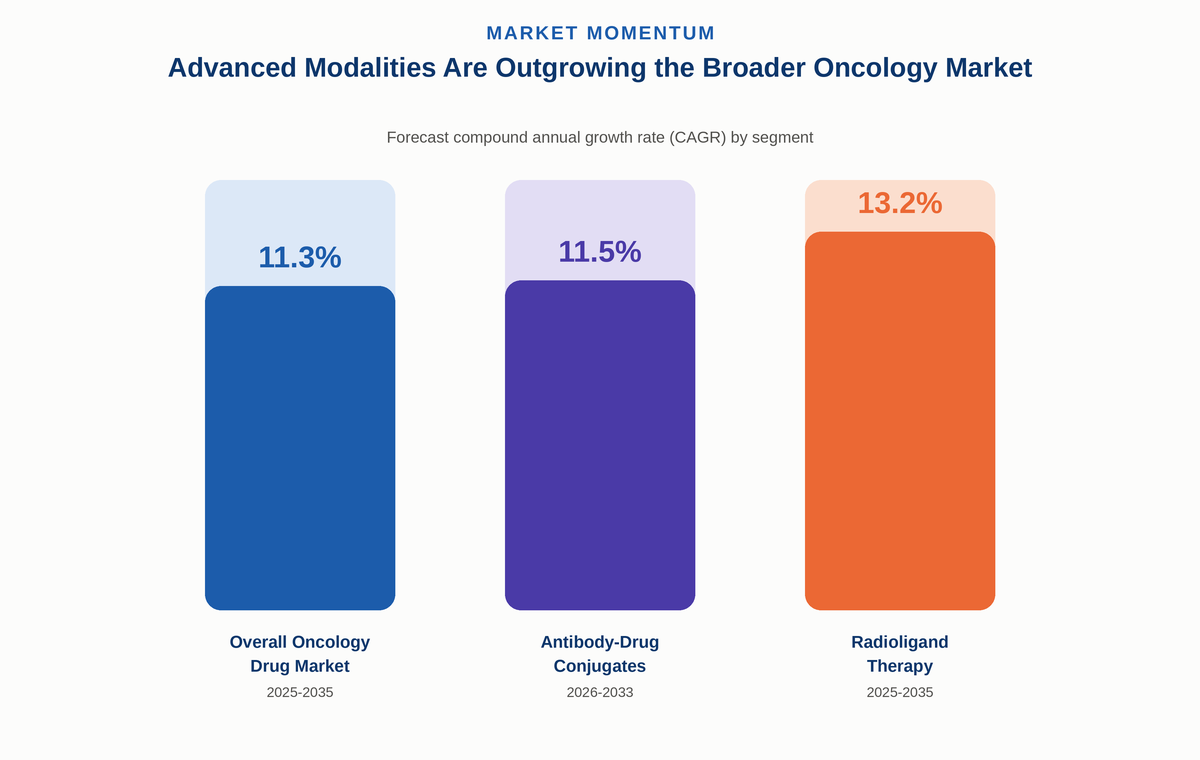
Figure 2. Antibody-drug conjugates and radioligand therapy are forecast to outgrow the broader oncology drug market.
5. Hormone Therapy: Cutting Off the Fuel Supply
Hormone therapy treats cancers that rely on estrogen or androgens to grow, working by blocking hormone receptors or lowering circulating hormone levels rather than attacking cells directly. Abiraterone (Zytiga) and Enzalutamide (Xtandi) are standard options for advanced prostate cancer, targeting androgen synthesis and the androgen receptor respectively, while Letrozole (Femara), an aromatase inhibitor, remains a mainstay for hormone-receptor-positive breast cancer. Unlike infused biologics, hormone therapies are typically oral and taken long-term in an outpatient setting, giving them a materially different distribution and adherence-support profile than the classes above.
6. Radiopharmaceuticals: Radiation Delivered With Precision
Radiopharmaceuticals attach a radioactive isotope to a molecule that targets cancer cells, delivering radiation directly to the tumor site rather than through an external beam. Radium-223 (Xofigo) treats bone metastases in castration-resistant prostate cancer, while Lutetium-177 vipivotide tetraxetan (Pluvicto), a PSMA-targeted radioligand therapy, has become one of the most closely watched launches in recent prostate cancer treatment. The global radioligand therapy market was valued at roughly $3.15 billion in 2025 and is projected to reach $10.91 billion by 2035, a 13.2% CAGR, with PSMA-targeted and Lutetium-177-based products leading growth [4].
This class is also the most operationally demanding to distribute. Isotopes typically used in radiopharmaceuticals have half-lives ranging from hours to about ten days; doses are frequently prepared for a specific patient and must be administered within that narrow shelf-life window, and isotopes with three-to-ten-day half-lives can realistically be shipped from only a small number of manufacturing sites worldwide [11]. Every shipment has to manage time sensitivity, temperature control, and regulatory compliance simultaneously, which is a fundamentally different logistics challenge than distributing a conventional oral or infused oncology drug.
How These Classes Compare
| Chemotherapy | Targeted Therapy | Immunotherapy |
Mechanism specificity | Low, affects any fast-dividing cell | High, aimed at a specific mutation or pathway | Indirect, re-activates the patient’s own immune response |
Diagnostic requirement | Generally none | Companion biomarker test required | Biomarker-guided for some agents, not all |
Typical care setting | Infusion center, often combination regimens | Oral, outpatient in most cases | Infusion center; CAR-T requires specialized inpatient units |
Common toxicity profile | Myelosuppression, GI effects, hair loss | Skin, GI, or organ-specific effects tied to target | Immune-related adverse effects across multiple organ systems |
How Oncology Drug Classes Evolved
For most of the twentieth century and into the 2000s, cytotoxic chemotherapy was the default systemic treatment for nearly every solid tumor. The sequencing of the human genome and the identification of specific cancer-driving mutations opened the door to targeted small-molecule therapy through the 2000s and 2010s. The 2010s also brought checkpoint inhibitor immunotherapy into mainstream practice, followed by CAR-T cell therapy for blood cancers. Since 2020, antibody-drug conjugates and bispecific antibodies have become the fastest-expanding modalities in the pipeline, and radioligand therapy is now reaching a similar inflection point as PSMA-targeted agents mature. Each new class has tended to arrive alongside, not instead of, the ones before it, which is precisely why the current oncology portfolio is broader and more operationally varied than it was even five years ago.
Getting These Medicines to Patients: The Distribution Reality
A drug’s clinical profile is only part of the story. Two of the fastest-growing classes above, CAR-T therapy and radiopharmaceuticals, carry manufacturing and logistics demands that go well beyond conventional distribution: CAR-T’s multi-week, patient-specific manufacturing cycle and radiopharmaceuticals’ hours-to-days shelf life both require tightly coordinated, time-sensitive supply chains rather than standard warehousing and shipping [9] [11].
Regulatory approval is also no guarantee of timely access. Across the EU, the median time from a medicine’s central approval to its actual availability to patients is 532 days, and that median hides enormous variation: patients in Germany typically wait 56 days, while patients in Romania wait a median of 1,201 days for the same medicine, a gap of more than 21 times. Nearly half (49%) of newly approved medicines analyzed were not yet available in the average EU member state at all [10].
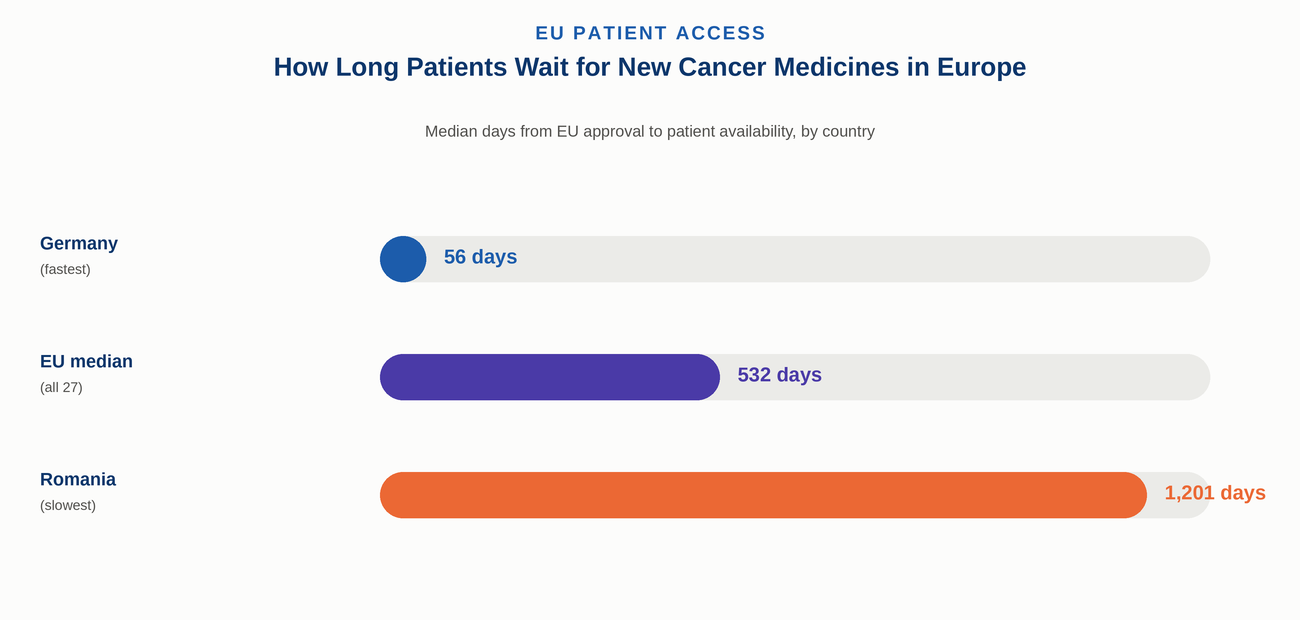
Figure 3. Time from EU approval to patient access varies by more than 21-fold across member states.
For a distributor or pharmacy partner operating across European markets, that disparity is not just a patient-access statistic, it is a practical map of where regulatory navigation, reimbursement expertise, and reliable cold-chain logistics create the most value. Matching supply chain capability to the specific demands of each therapeutic class, rather than treating oncology as a single homogeneous category, is what closes part of that gap.
Key Takeaways for Distributors and Pharmacy Partners
- Oncology pharmacy now spans at least six distinct drug classes, and that number is still growing: antibody-drug conjugates, bispecific antibodies, and radioligand therapies are all forecast to grow faster than the oncology market overall.
- Targeted therapy’s value depends on biomarker testing infrastructure. Roughly two-thirds of eligible patients in the US still are not tested, which limits real-world uptake regardless of drug availability.
- CAR-T and radiopharmaceuticals are not conventional distribution products. Multi-week manufacturing cycles and hours-to-days shelf lives require specialized, time-sensitive supply chains.
- EU access timelines vary by more than 21-fold between member states, creating a genuine opportunity for partners who can navigate regulatory and reimbursement pathways efficiently.
- Matching supply chain capability to therapeutic class, rather than treating oncology as one homogeneous category, is increasingly a competitive differentiator, not a back-office detail.
Supporting the Distribution of Complex Oncology Portfolios
Mevian works with wholesalers, pharmacy partners, and healthcare providers across conventional and advanced oncology modalities alike, from established oral and infused therapies to the time-sensitive handling that antibody-drug conjugates and radiopharmaceuticals require. Our focus is matching the right supply chain infrastructure, quality assurance, and regulatory navigation to each product class, not applying a one-size-fits-all model to a therapeutic area that increasingly demands the opposite.
If your organization is expanding its oncology portfolio or evaluating distribution partners for a newer treatment modality, we welcome the conversation.