EPILEPSY IN CHILDREN: THE NUMBERS
~50 million people live with epilepsy worldwide, per the World Health Organization [1] | Up to 70% could become seizure-free with appropriately chosen antiseizure treatment [1] | 70-80% of childhood epilepsies are now understood to have some genetic contribution [2] |
Epilepsy is one of the most common serious neurological conditions of childhood, and for a parent or caregiver, a first seizure is almost always frightening precisely because it looks like an emergency even when it is not one medically. Understanding what is actually happening, how pediatric epilepsy is diagnosed today, and which treatments have real evidence behind them, changes that experience from a moment of panic into a manageable, well-supported condition for the great majority of children [1].
This guide has been checked against current WHO, ILAE (International League Against Epilepsy), and pediatric neurology sources to reflect where the science actually stands in 2026, including where popular nutritional claims about epilepsy go further than the evidence supports, and where nutrition, specifically medical ketogenic diet therapy, has genuinely strong clinical trial support.
What Pediatric Epilepsy Actually Is
Epilepsy is a disease of the brain defined, under the operational definition adopted by the ILAE, by an enduring tendency to generate unprovoked seizures, not by a single seizure alone. A child who has one seizure due to high fever, low blood sugar, or a head injury has not necessarily had an epileptic seizure in the diagnostic sense. A diagnosis of epilepsy generally requires at least two unprovoked seizures more than 24 hours apart, or one seizure alongside a demonstrated high risk of recurrence [1][3].
Older material, including much of what still circulates online, describes pediatric epilepsy simply as “idiopathic” (no known cause) or “secondary” (caused by injury, infection, or structural brain abnormality). That language has largely been superseded. The ILAE’s current framework instead asks clinicians to identify an underlying etiology at every stage of diagnosis, drawing on categories that include structural, genetic, infectious, metabolic, and immune causes, alongside cases where the cause remains unknown, because etiology carries direct treatment implications [3]. This shift matters in practice: broad genetic testing panels now identify a likely genetic contributor in a meaningful share of children evaluated for epilepsy, particularly when seizures begin very early or are accompanied by developmental delay, and a specific genetic diagnosis can redirect treatment toward a therapy matched to that cause rather than a trial-and-error sequence of medications [2].
How Seizures and Epilepsies Are Classified
The ILAE’s 2017 classification organizes diagnosis in three layers: first the seizure type, then the broader epilepsy type (focal, generalized, combined generalized and focal, or unknown), and finally, where enough evidence exists, a specific named epilepsy syndrome, such as childhood absence epilepsy or Dravet syndrome [3][4]. Seizure type itself is defined first by where in the brain it starts, focal onset, involving one network in one hemisphere, or generalized onset, involving networks in both hemispheres from the start, and second by whether it produces motor symptoms (jerking, stiffening, or automatic movements) or non-motor symptoms (a sensory change, a pause in awareness, an emotional or autonomic shift) [4].
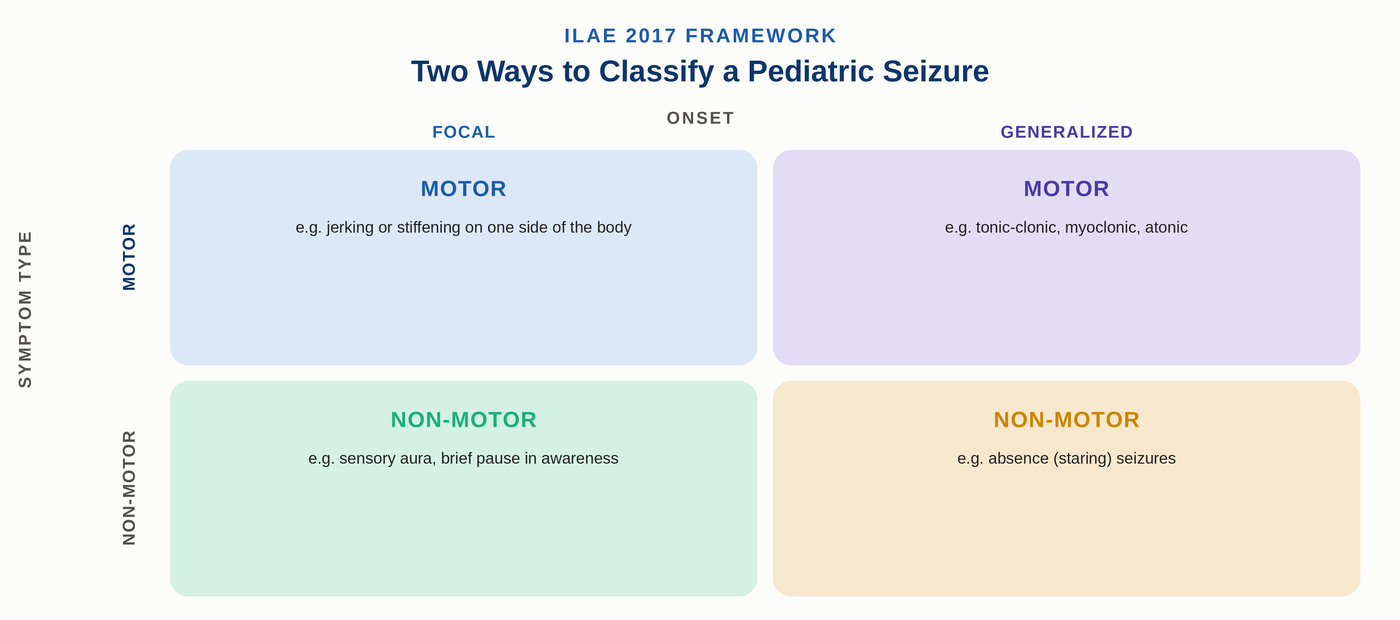
Figure 1. The two axes clinicians use first when naming a seizure: where it starts, and whether it involves visible movement.
Diagnosis: What a Work-Up Actually Involves
A pediatric epilepsy work-up starts with a detailed clinical history, ideally including a witness description or video of the event, since the seizure itself is rarely captured in clinic. From there, three tools do most of the diagnostic work.
- Electroencephalogram (EEG). Records the brain’s electrical activity and can reveal abnormal discharge patterns between or during seizures, helping distinguish epilepsy from non-epileptic events such as fainting or breath-holding spells.
- Neuroimaging, MRI in particular. Looks for structural causes, malformations, old injury, scarring, or tumors, and is now recommended for most new pediatric epilepsy diagnoses unless a self-limited, clearly genetic syndrome is already apparent.
- Genetic testing. Increasingly a first-line rather than last-resort tool, particularly for seizures beginning in infancy or accompanied by developmental delay. A 2022 review of next-generation sequencing panels found a pathogenic or likely pathogenic variant identified in just over 23% of pediatric epilepsy cases overall, rising to nearly 29% when developmental delay was also present, and noted that a positive result changed clinical management in the majority of those cases [2].
Basic metabolic and blood work supports this picture, particularly in infants, since a small number of epilepsies are metabolic or nutritional in origin and are treatable, sometimes dramatically so, once correctly identified. The clearest example is pyridoxine-dependent epilepsy, a rare genetic disorder, usually caused by mutations in the ALDH7A1 gene, affecting an estimated 1 in 64,000 births, in which seizures beginning in the newborn period do not respond to standard antiseizure medication but do respond, often within hours, to high-dose vitamin B6 prescribed and monitored by a specialist [5][6]. This condition is genuinely important to rule out early, and it is also, as covered further below, frequently misunderstood as evidence that ordinary vitamin B6 supplementation helps seizures in general, which it does not.
Managing Pediatric Epilepsy: What Has Real Evidence Behind It
For most children, treatment starts with an antiseizure medication, ASM, the term that has generally replaced “antiepileptic drug” or AED in current literature, chosen based on seizure type, epilepsy syndrome, and the child’s individual profile. A majority of children respond well to the first or second medication tried; the remainder are considered to have drug-resistant epilepsy, generally defined as failure of two appropriately chosen and dosed ASMs, and become candidates for a broader set of options [1][7].
Ketogenic diet therapy, a high-fat, very-low-carbohydrate medical diet delivered under the supervision of a pediatric neurologist and a dietitian rather than a general wellness diet, is one of the best-evidenced non-drug options for drug-resistant childhood epilepsy. A 2025 systematic review and meta-analysis pooling multiple controlled studies found children on ketogenic diet therapy were substantially more likely than controls to achieve at least a 50% reduction in seizure frequency, and considerably more likely to become seizure-free, though the authors were careful to note that absolute seizure-freedom rates remained modest even where the relative benefit was large and consistent across studies [8]. The diet is typically delivered today through carefully formulated, nutritionally complete ketogenic medical foods rather than improvised home meal plans alone, precisely because getting the fat-to-carbohydrate ratio and micronutrient content wrong carries real risk. This is the point where clinical nutrition and FSMP (food for special medical purposes) manufacturing standards intersect directly with epilepsy care. Common side effects are gastrointestinal, constipation in roughly a third of children, reduced appetite in about a fifth, and occasional vomiting or diarrhea, and are generally manageable with dietitian support [8].
For a smaller group of children whose seizures arise from a clearly localized, surgically accessible brain region and who do not respond to medication or diet, epilepsy surgery or neurostimulation, vagus nerve stimulation or newer responsive neurostimulation devices, can meaningfully reduce or eliminate seizures. Current pediatric neurology guidance increasingly favors evaluating surgical candidacy earlier rather than only after years of uncontrolled seizures, given the cumulative developmental cost of ongoing seizures during childhood [7].
Nutrition and Epilepsy: Separating Evidence From Hype
Nutrition is genuinely relevant to pediatric epilepsy, but the evidence varies enormously by nutrient and by claim, and conflating a narrow, well-proven therapy with a general “supplements help seizures” message does families a disservice. Here is where the evidence base for specific nutrition-related interventions actually stands.
- Vitamin B6 (pyridoxine): proven, but only for a specific rare condition. High-dose B6 is a genuinely life-changing, first-line treatment, but specifically for pyridoxine-dependent epilepsy and a small number of related metabolic conditions, together affecting a very small fraction of children with epilepsy. The Epilepsy Foundation identifies B6 deficiency as the only vitamin deficiency proven to cause or worsen seizures, and notes it is a newborn or infant-specific picture, not a general childhood finding [6]. Outside that specific diagnosis, there is no good evidence that additional B6 reduces seizures in children with epilepsy from other causes.
- Magnesium: a plausible mechanism, thin evidence outside true deficiency. Very low magnesium can alter neuronal electrical activity and provoke seizures, but clinically meaningful magnesium deficiency in an otherwise healthy, adequately nourished child is uncommon and usually related to an underlying kidney, hormonal, or malabsorptive condition rather than diet alone. Supplementing magnesium in a child who is not actually deficient has not been shown to reduce seizure frequency [6].
- Cannabidiol (CBD): a real, evidence-backed medicine, but a prescription one, not a supplement. This is the most important correction to make. Purified, pharmaceutical-grade cannabidiol, branded Epidyolex in the EU and Epidiolex in the US, is approved by both the EMA and FDA, but specifically as an add-on prescription treatment for seizures associated with three rare, severe epilepsy syndromes, Dravet syndrome, Lennox-Gastaut syndrome, and tuberous sclerosis complex, in children from two years of age, titrated gradually by a physician experienced in epilepsy care and monitored for interactions with other antiseizure medication [9][10]. This is a fundamentally different product from over-the-counter CBD oils and gummies sold as general wellness supplements, which are not standardized, not tested to the same purity and dosing standards, and are not an appropriate substitute for prescribed epilepsy treatment in a child.
- Omega-3 fatty acids and probiotics: biologically plausible, still an active research area. Omega-3 fatty acids have documented general neurological and anti-inflammatory roles, and emerging research into the gut microbiome’s role in epilepsy, partly inspired by observing how the ketogenic diet reshapes gut bacterial populations alongside its seizure-reducing effect, is a genuinely active research area [11]. Neither omega-3 supplementation nor probiotic supplementation currently has trial-level evidence in children showing they reduce seizure frequency on their own, and both should be discussed with a treating neurologist rather than adopted as independent seizure-control strategies.
MYTH VS. FACT
“You should hold a seizing child down or put something in their mouth to stop them from swallowing their tongue.” MYTH. It is physically impossible to swallow one’s own tongue during a seizure. Holding a child down can cause injury, and placing anything in the mouth risks choking or a broken tooth. The correct response is to protect the child from injury, turn them gently onto their side, and time the seizure, not restrain them [12]. |
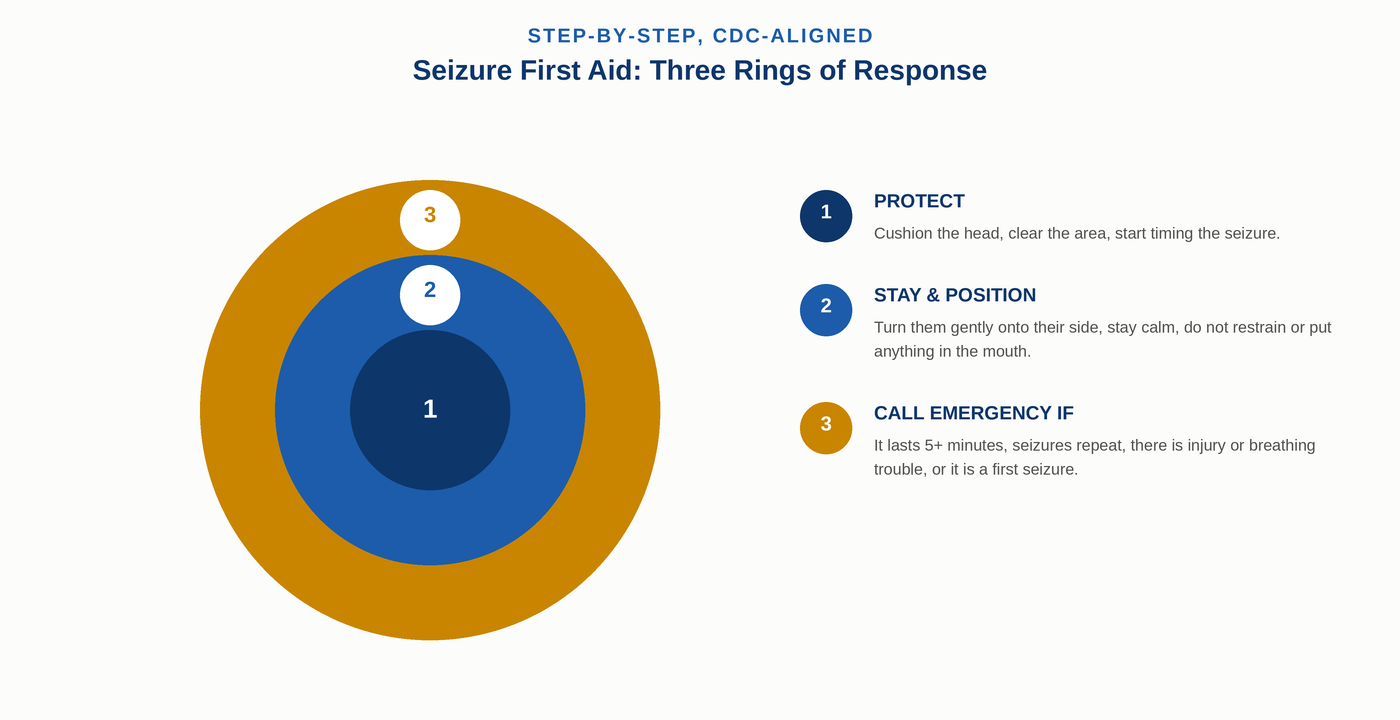
Figure 2. The three-step response sequence recommended by the CDC for any seizure.
Living With Pediatric Epilepsy: Impact on Children and Families
Epilepsy’s effects on a child extend well beyond the seizures themselves. Children with epilepsy face meaningfully higher rates of attention-deficit/hyperactivity disorder (an estimated 20-50%, compared with roughly 7-9% in the general pediatric population), depression (affecting at least a quarter of children with epilepsy, with active epilepsy associated with markedly higher rates than in children who have never had a seizure), and learning disabilities (around 32%), a pattern the American Academy of Pediatrics attributes to both the underlying neurological differences involved and the practical burden of living with an unpredictable condition [7]. School performance can be affected both directly, through the cognitive effects of frequent seizures or certain ASMs, and indirectly, through absence, stigma, and reduced expectations from teachers or peers, which is why proactive school communication and individualized education planning are now considered part of good pediatric epilepsy care rather than an afterthought [7].
Two safety realities deserve direct, unemotional explanation rather than avoidance, because caregivers consistently say they want this information and are often not given it proactively.
Topic | What the evidence shows |
Mortality risk | The risk of premature death in people with epilepsy runs up to three times higher than the general population, driven mainly by preventable causes such as falls, drowning, and prolonged seizures, which is why first aid and supervision around water matter concretely [1]. |
SUDEP (Sudden Unexpected Death in Epilepsy) | A rare but serious risk, occurring in roughly 1 in 4,500 children with epilepsy per year, compared with about 1 in 1,000 adults, most strongly associated with generalized tonic-clonic seizures and uncontrolled seizure frequency. Consistent medication adherence is the single most effective known risk-reduction step [13]. |
For the majority of children diagnosed with epilepsy today, the trajectory is genuinely encouraging: seizures brought under control with the first or second medication, a childhood that includes school, sport, and friendships largely unchanged, and, for many syndromes, a real chance of eventually reducing or stopping treatment under medical guidance. For the smaller group whose epilepsy proves harder to control, the treatment landscape, from precision genetic diagnosis to medically formulated ketogenic nutrition to targeted prescription therapies, has genuinely expanded over the past decade, and continues to.
Partnering on Evidence-Based Pediatric Nutrition Support
Mevian supports healthcare professionals, pharmacies, and distributors sourcing clinically formulated nutrition products, including ketogenic and other medical food formulations used in pediatric epilepsy management, built to verifiable composition and quality standards rather than general wellness claims.
For partners evaluating medical nutrition or FSMP products for neurology or metabolic care pathways, our team is glad to talk through what should sit behind a product’s formulation and evidence base.