Vitamins are organic compounds the body needs in small amounts to carry out hundreds of everyday functions, from energy metabolism and immune defense to vision, blood clotting, and nervous system health. With one minor exception, the human body cannot manufacture enough of them on its own, which is why regular intake through food — and, for some people, supplementation — matters. Nutrition science currently recognizes 13 essential vitamins, divided into two families based on how the body absorbs, stores, and eliminates them [1].
This cheatsheet is designed as a fast, accurate reference: a quick-scan table of recommended intakes and food sources, a visual guide to where deficiency symptoms typically appear in the body, and answers to the questions most commonly asked about vitamin intake and safety.
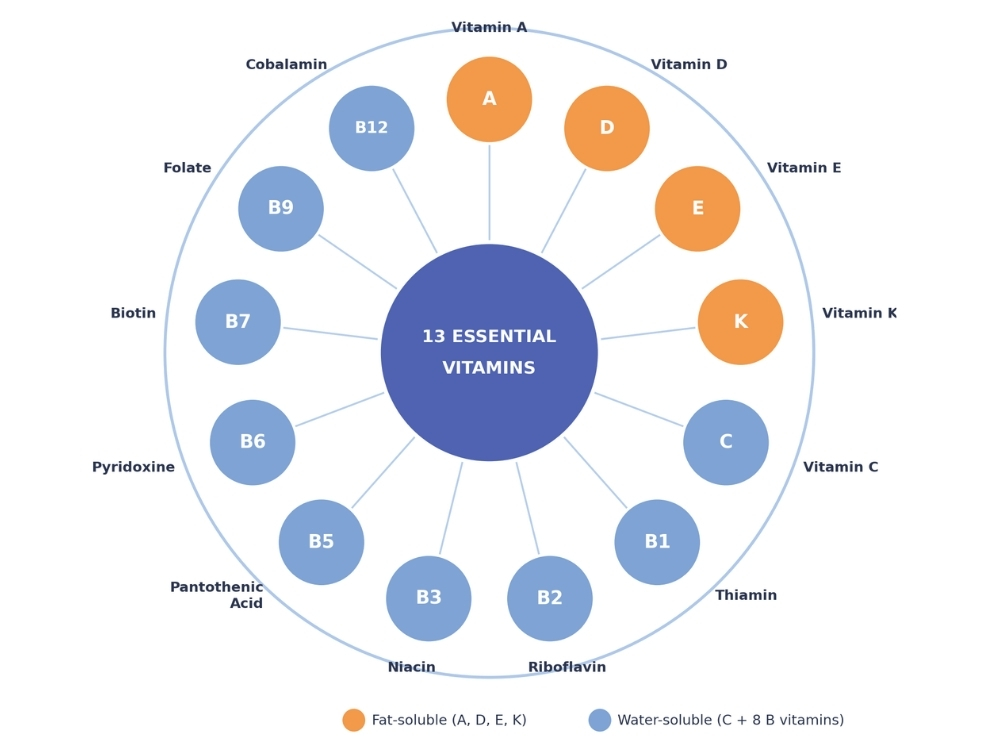
Figure 1. The 13 essential vitamins, grouped by solubility type.
Fat-Soluble vs. Water-Soluble: The Two Vitamin Families
Vitamins A, D, E, and K are fat-soluble: they dissolve in dietary fat, are absorbed alongside it, and can be stored in the liver and fatty tissue for extended periods. This storage capacity means deficiencies develop slowly, but it also means excess intake — most often from high-dose supplements rather than food — can accumulate to harmful levels over time [1][2].
Vitamin C and the eight B vitamins are water-soluble. They dissolve in water, are not stored in meaningful amounts (with the notable exception of vitamin B12, which the liver can store for several years), and any excess is generally filtered out by the kidneys and excreted in urine. This means most water-soluble vitamins need to be replenished more frequently through diet, but it also makes toxicity from food or typical supplement doses far less common [1].
Quick-Reference Table: The 13 Essential Vitamins
Vitamin | Type | Adult RDA* | Top Food Sources | Watch For |
Vitamin A | Fat-soluble | 900 / 700 mcg RAE (M/F) | Liver, dairy, orange & leafy vegetables | Night blindness, dry eyes |
Vitamin D | Fat-soluble | 15 mcg / 600 IU (20 mcg after 70) | Fatty fish, fortified milk, sunlight | Bone pain, muscle weakness |
Vitamin E | Fat-soluble | 15 mg | Vegetable oils, nuts, seeds | Nerve/muscle issues (rare) |
Vitamin K | Fat-soluble | 120 / 90 mcg AI (M/F) | Leafy greens, broccoli, Brussels sprouts | Easy bruising, slow clotting |
Vitamin C | Water-soluble | 90 / 75 mg (M/F) | Citrus, bell peppers, strawberries | Bleeding gums, slow healing |
B1 – Thiamin | Water-soluble | 1.2 / 1.1 mg (M/F) | Whole grains, pork, legumes | Fatigue, nerve problems |
B2 – Riboflavin | Water-soluble | 1.3 / 1.1 mg (M/F) | Dairy, eggs, leafy greens | Cracked lips, sore throat |
B3 – Niacin | Water-soluble | 16 / 14 mg NE (M/F) | Meat, fish, whole grains | Dermatitis, GI upset |
B5 – Pantothenic Acid | Water-soluble | 5 mg AI | Widely available: meat, avocado, grains | Rare; fatigue, irritability |
B6 – Pyridoxine | Water-soluble | 1.3 mg (ages 19–50) | Poultry, fish, chickpeas, potatoes | Anemia, confusion, rash |
B7 – Biotin | Water-soluble | 30 mcg AI | Eggs, nuts, seeds | Hair thinning, skin rash |
B9 – Folate | Water-soluble | 400 mcg DFE | Leafy greens, legumes, fortified grains | Megaloblastic anemia |
B12 – Cobalamin | Water-soluble | 2.4 mcg | Meat, dairy, eggs, fortified foods | Fatigue, numbness/tingling |
*Values shown are U.S. Recommended Dietary Allowances (RDA) or Adequate Intakes (AI, marked AI) for adults ages 19–50, split by male (M) and female (F) where they differ. RAE = Retinol Activity Equivalents; NE = Niacin Equivalents; DFE = Dietary Folate Equivalents. Individual needs vary by age, sex, pregnancy/lactation status, and health conditions [1].
Recognizing Deficiency: What Your Body Might Be Telling You
Vitamin deficiencies rarely announce themselves clearly — early signs are often subtle and easy to attribute to stress, aging, or a busy season of life. Because different vitamins support different tissues, however, deficiency signs tend to cluster in recognizable patterns across the body [3].
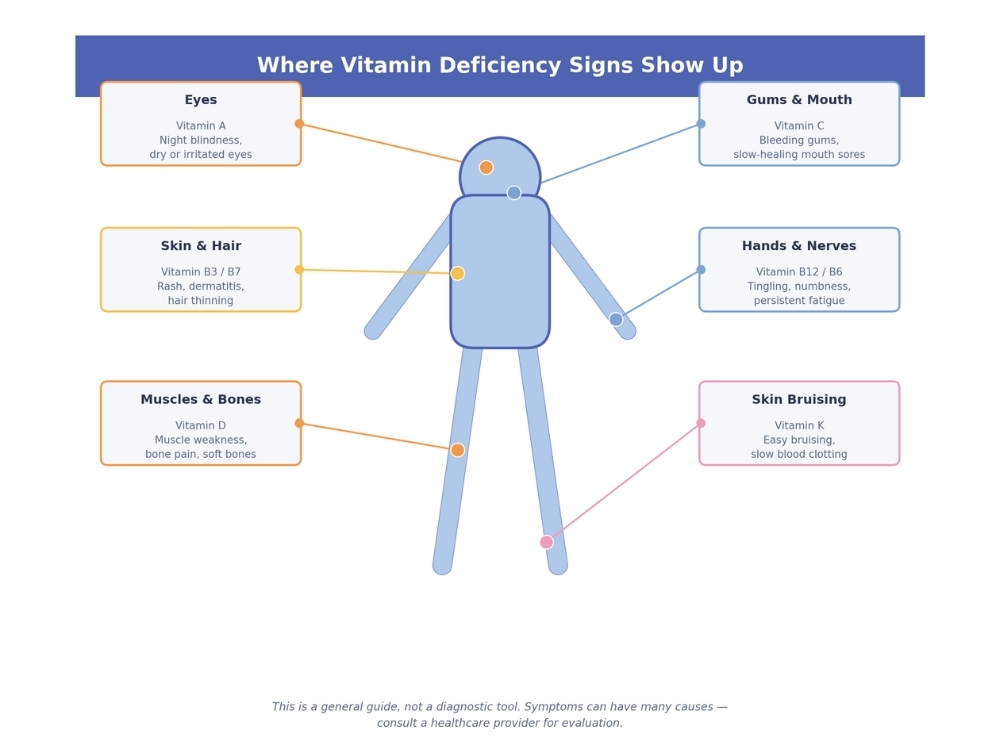
Figure 2. Common areas of the body where vitamin deficiency signs tend to appear.
Who Is at Higher Risk of Vitamin Deficiency?
Certain groups face a meaningfully higher risk of falling short on one or more vitamins, often for reasons unrelated to overall diet quality [1][4]:
- Older adults. Reduced stomach acid production impairs absorption of food-bound vitamin B12 in an estimated 10–30% of people over 50, even when B12 intake from food appears adequate.
- Pregnant and breastfeeding individuals. Requirements for folate, B12, and vitamin D rise substantially; folate is particularly critical in early pregnancy to reduce the risk of neural tube defects.
- Vegans and strict vegetarians. Vitamin B12 occurs almost exclusively in animal products, making fortified foods or supplements necessary; vitamin D and, to a lesser extent, riboflavin can also run low.
- People with malabsorption conditions. Celiac disease, Crohn’s disease, chronic pancreatitis, and bariatric (weight-loss) surgery can all impair absorption of fat-soluble vitamins in particular.
- People with limited sun exposure. Higher latitudes, indoor lifestyles, consistent sunscreen use, and darker skin tone (which reduces cutaneous vitamin D synthesis) all raise the risk of low vitamin D.
- Certain medications. Long-term use of metformin or acid-suppressing medications (proton pump inhibitors, H2 blockers) is associated with reduced vitamin B12 absorption over time.
A Word on “Vitamin P”: Correcting a Common Misconception
Older nutrition references sometimes list a “Vitamin P,” referring to citrus bioflavonoids first described in the 1930s. This designation was withdrawn decades ago once research showed that bioflavonoids do not meet the scientific definition of a vitamin — there is no identified deficiency syndrome linked to their absence, and no essential dietary requirement has been established. Bioflavonoids are beneficial plant compounds studied for antioxidant and vascular-support properties, but they are not classified among the 13 recognized essential vitamins today, and reputable current sources no longer use the term “Vitamin P” [1][5].
Fat-Soluble Vitamins Carry a Toxicity Risk That Water-Soluble Ones Usually Don’t
Because vitamins A, D, and E can build up in the body, the Food and Nutrition Board has set Tolerable Upper Intake Levels (ULs) for each — for adults, approximately 3,000 mcg/day for preformed vitamin A, 100 mcg (4,000 IU)/day for vitamin D, and 1,000 mg/day for vitamin E, generally referring to intake from supplements and fortified foods rather than whole foods [2]. Exceeding these levels over time has been associated with liver damage and birth defects (vitamin A), hypercalcemia and kidney damage (vitamin D), and an increased bleeding risk (vitamin E). Vitamin K has no established UL, as no toxicity has been identified from high intake.
Most water-soluble vitamins carry no UL because the body excretes excess amounts efficiently, though there are exceptions: very high-dose vitamin B6 supplementation has been linked to nerve damage (UL 100 mg/day), high-dose niacin can cause flushing and, at very high doses, liver toxicity (UL 35 mg/day from supplements and fortified foods), and high-dose folic acid supplementation can mask an underlying vitamin B12 deficiency (UL 1,000 mcg/day) [2]. These risks are almost always tied to concentrated supplement doses rather than food intake.
Frequently Asked Questions
Can I get all the vitamins I need from food alone?
For most healthy adults eating a varied diet, yes. Exceptions include vitamin D, which is difficult to obtain in adequate amounts from food alone in many climates, and vitamin B12 for anyone following a vegan diet, since it occurs almost exclusively in animal products.
Do I need to take a multivitamin if I already eat a balanced diet?
Not necessarily. Multivitamins are generally intended to fill dietary gaps, not replace a healthy diet, and evidence for benefit in well-nourished adults without a specific deficiency is limited. A healthcare provider or registered dietitian can help determine whether supplementation is appropriate based on individual diet, lab results, and risk factors.
Can taking too much vitamin A or D actually be harmful?
Yes. Because both are fat-soluble and stored in the body, sustained high-dose supplementation — well above the Tolerable Upper Intake Level — can lead to toxicity, including liver damage from excess vitamin A and elevated blood calcium from excess vitamin D. This is uncommon from diet alone but is a real risk with high-dose supplements taken without medical guidance.
Which vitamin deficiency is most common worldwide?
Vitamin D insufficiency is widespread across many regions and populations, particularly at higher latitudes and among people with limited sun exposure. Vitamin A deficiency remains a significant public health concern in parts of the developing world, particularly among children, where it is a leading cause of preventable blindness [1][3].
Is “Vitamin P” a real, currently recognized vitamin?
No. It is an outdated term from the 1930s for citrus bioflavonoids that was later withdrawn once research confirmed bioflavonoids do not meet the criteria for an essential vitamin. Current nutrition science recognizes 13 essential vitamins, and Vitamin P is not among them.